
.webp)


JD Vance leads high-stakes diplomatic mission to secure Iran peace
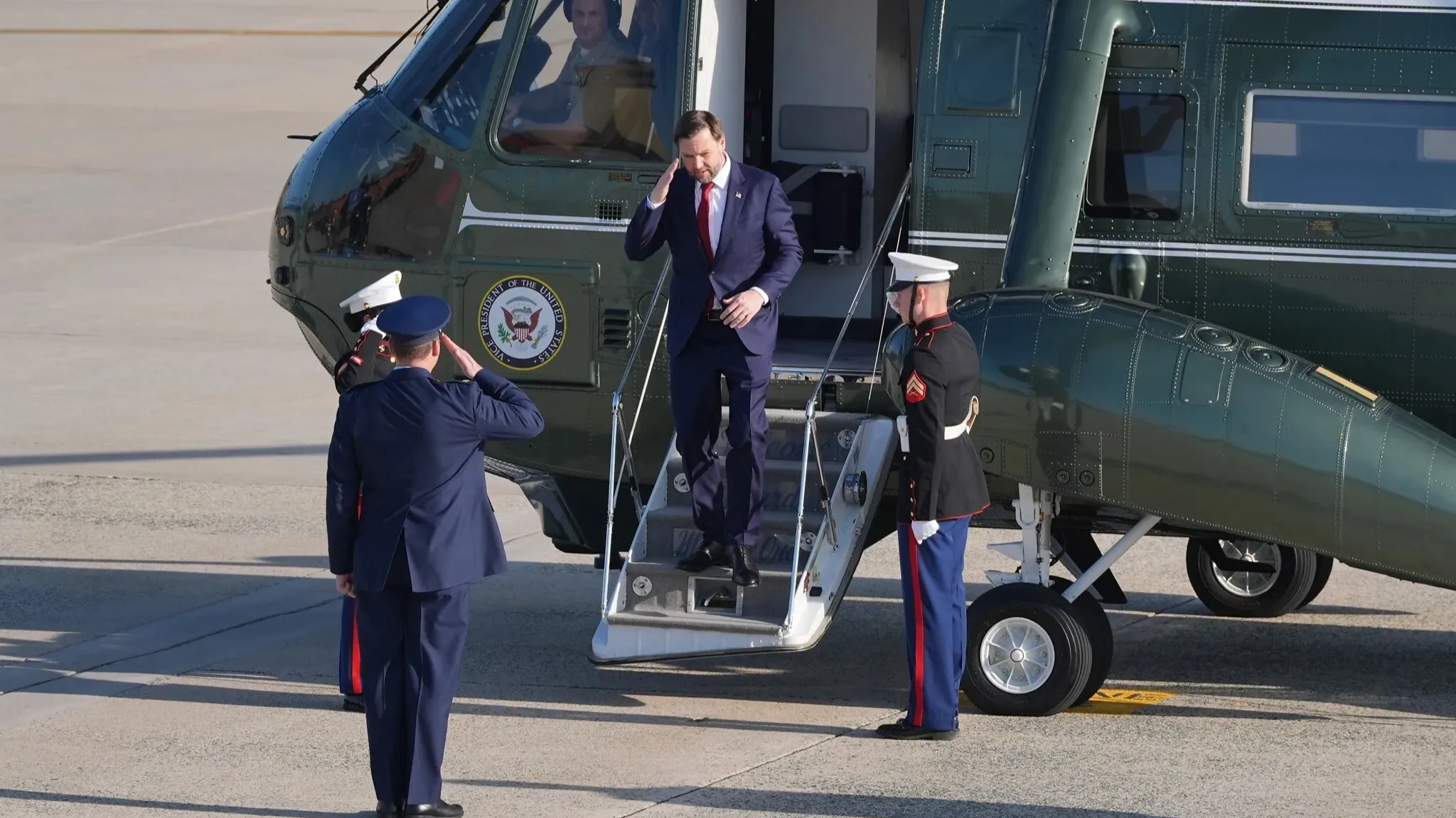
Vice President JD Vance departed for Islamabad on Friday, carrying strict directives from President Donald Trump to convert a fragile ceasefire into a permanent end to the six-week-old conflict with Iran. Before boarding Air Force Two, Vance signaled a blend of diplomatic openness and American resolve, warning Tehran that while Washington seeks a "positive" outcome, the negotiating team will not tolerate deception.
Historic Venue in Pakistan
Islamabad has transformed into a high-security fortress as it prepares to host these rare direct or mediated discussions. This selection of Pakistan as a neutral ground reflects its long-standing role as a bridge between Western powers and Islamic republics, echoing historical diplomatic maneuvers in the region. The city is currently under a total lockdown to ensure the safety of the American delegation, which includes heavyweights like Steve Witkoff and Jared Kushner.
Navigating the Trump Doctrine
Vance confirmed that President Trump provided specific, non-negotiable guidelines for the talks. These parameters focus on two friction points: the reopening of the Strait of Hormuz for global oil transit and the separation of the Lebanon conflict from the current bilateral truce. While Iran demands a halt to Israeli operations in Lebanon, the U.S. remains firm that the current ceasefire only applies to direct hostilities between Washington and Tehran.
Stakes for the Region
Success in Pakistan would mark a historic shift in Middle Eastern geopolitics, potentially ending decades of frozen relations since the 1979 Revolution. For Vance, a former Marine and vocal critic of open-ended foreign interventions, this assignment serves as a defining test of his "America First" diplomatic strategy. Failure, however, could see the two-week truce vanish, returning the region to active combat.
.webp)