ଓଡ଼ିଆ | ENGLISH
ଓଡ଼ିଆ | ENGLISH

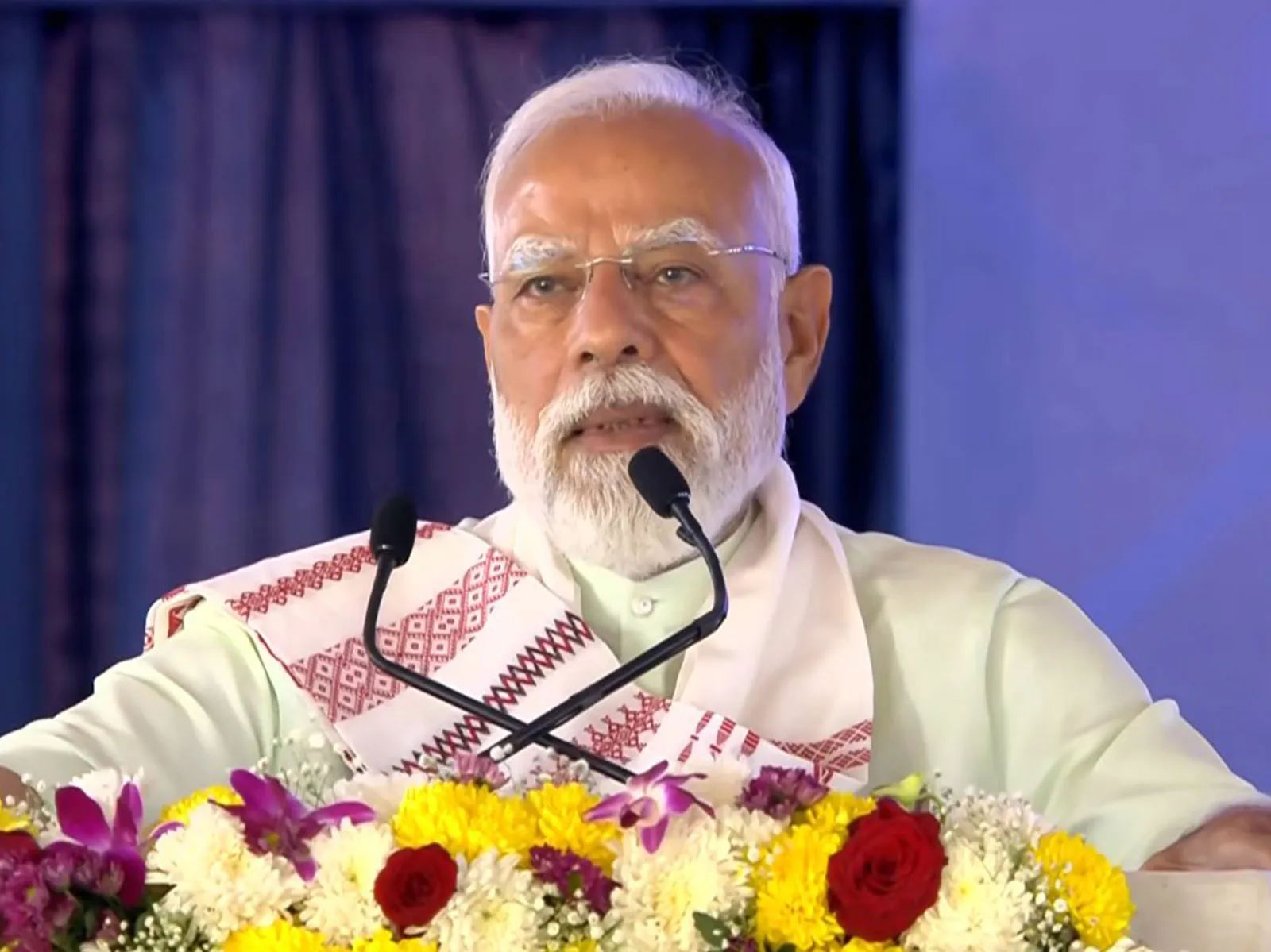
watch-live-cm-naveen-inaugurating-laying-foundation-for-various-development-projects-in-kalahandi

Published By : Satya Mohapatra
watch-live-cm-naveen-inaugurating-laying-foundation-for-various-development-projects-in-kalahandi

US spirits hold negligible share in domestic alcohol market

Lovers of domestic spirits can rest easy regarding the recent economic developments between New Delhi and Washington. Your favorite Indian whiskey brands are unlikely to face any stiff competition from American rivals, even after India agreed to open its doors to US wines and spirits.

According to recent reports on the interim trade agreement, the Indian government has established safeguards to ensure domestic manufacturers remain secure. A key component of this protection is the Minimum Import Price (MIP) mechanism. Under this rule, the sale of alcoholic beverages below a specific floor price is strictly prohibited, preventing foreign companies from undercutting local prices.

Why Local Brands Are Safe

Beyond government regulations, market realities favor domestic players. Currently, American whiskey holds a tiny slice of the pie, accounting for just 0.1 percent of the total whiskey market in India. To put this in perspective, the market sees the sale of roughly 229,000 cases of American whiskey annually.

In contrast, the sector is overwhelmingly dominated by Indian whiskey brands. Even amongst international competitors, Scotch holds a significantly larger presence with a share of over 3 percent, while Irish whiskey sits at 0.2 percent.

Taste and Preference Matter

Experts suggest that the threat to local makers is minimal due to consumer taste profiles. Vinod Giri, Director General of the Brewers Association of India, noted that the flavor profile of Bourbons and Tennessee whiskies does not appeal to the majority of premium whiskey consumers in the country.

Furthermore, price drops may not automatically lead to a sales boom for US products. Past market behavior shows that even when American brands like Jim Beam were bottled locally and sold cheaper than bottled-in-India Scotch, they did not capture significant market share. Therefore, tariff reductions on Bourbon are not expected to disrupt the dominance of Indian whiskey brands.

Government Assurance

Commerce and Industry Minister Piyush Goyal recently clarified that while imports are permitted, they are subject to strict pricing rules. He emphasized that the interests of domestic players and farmers are fully protected. Essential items such as groundnut, honey, ethanol, and tobacco have been kept entirely outside the scope of duty concessions.

As the industry awaits the fine print of the agreement, it is clear that the local spirit market remains robust and well-guarded against external shocks.