

.webp)


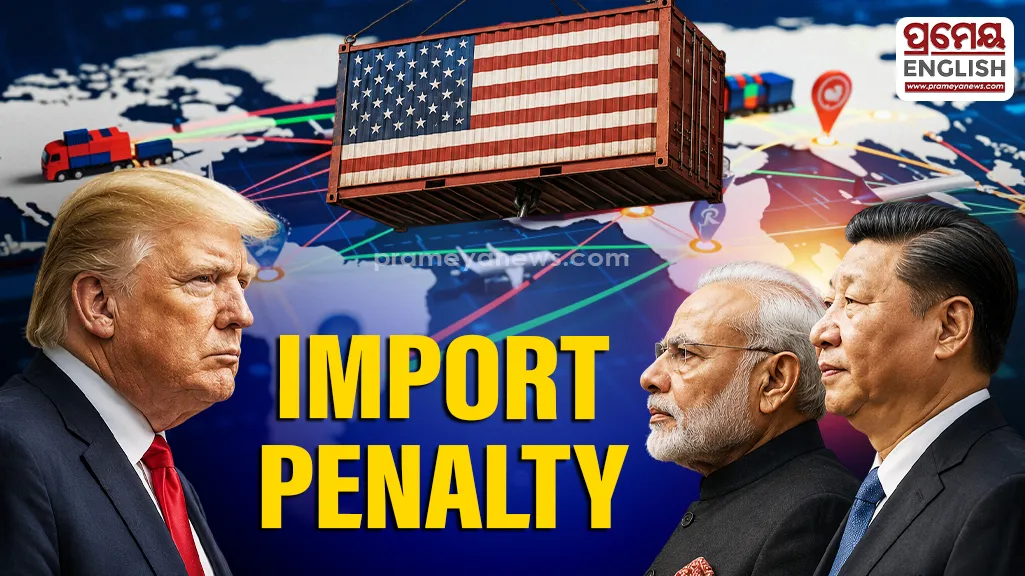
Washington weights fresh import penalties over manufacturing rules.
Washington has introduced a proposal to levy fresh trade duties reaching up to 12.5 percent on inbound shipments from India, China, and 58 other economies. This recommendation stems from a comprehensive review conducted by the Office of the United States Trade Representative. The investigation focused on whether global trading partners maintain or properly enforce legal blocks against goods created using involuntary workers.
Exporters operating out of manufacturing hubs like Chennai and Mumbai could feel the impact if this proposal moves forward, complicating bilateral trade relations that reached a record 130 billion dollars in recent fiscal years. The federal authority categorised global players into distinct penalty tiers based on their existing legal frameworks. Governments that possess statutory prohibitions against these specific imports but show gaps in field enforcement face a 10 percent penalty. Meanwhile, nations lacking a formal statutory ban entirely face the maximum 12.5 percent trade duty hike.
US Trade Representative Jamieson Greer stated that the inaction of key global markets distorts standard economic practices and creates unequal conditions for local businesses. This specific legal approach relies on Section 301 of the US Trade Act of 1974, which serves as the legal tool used during past international commercial standoffs to address uncompetitive foreign actions.
The initial investigation commenced early in March 2026, scrutinizing international trade networks that represent over 99 percent of items entering the domestic marketplace. Beyond Asian economies, the expansive list includes the United Kingdom, Japan, South Korea, and the European Union. While federal planners are exploring specific exemptions for particular textile items, the broader trade policy signals that human rights metrics will dictate western market access moving forward. Officials confirm the system remains under active review before final execution.
.webp)