
.webp)


Washington and Tehran near an agreement restoring global shipping
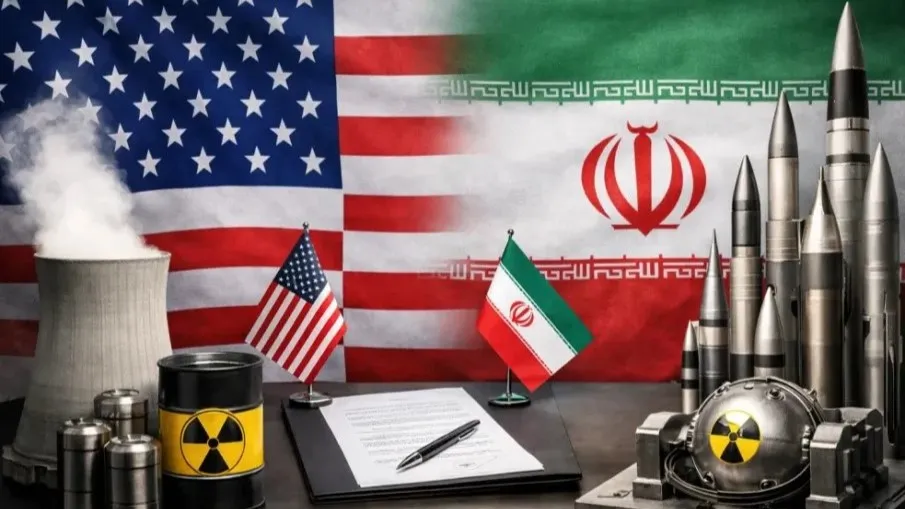
Diplomatic negotiations between Washington and Tehran appear on the verge of restoring maritime operations across the Strait of Hormuz following months of intense regional conflict.Emerging drafts of a potential settlement suggest shipping operations will finally normalize within thirty days of formal signing. According to updates from the Tasnim news agency, this proposed framework aims to lift existing naval blockades entirely while simultaneously releasing specific frozen overseas assets belonging to Iranian authorities during its critical initial phase. Resolving this standoff represents a major diplomatic priority for numerous allied nations depending on stable trade routes.
Conflict escalation earlier this year severely disrupted international supply chains, forcing daily vessel crossings down significantly from pre-war averages of nearly 140 ships.Brent crude prices surged over forty percent directly due to these restrictive maritime conditions, triggering severe inflationary pressures on fuel and essential food supplies globally.Stabilizing these specific waterways carries profound economic weight for rapidly developing nations. For instance, in India, industrial hubs and coastal states like Odisha depend heavily on uninterrupted crude oil imports to sustain domestic manufacturing and manage everyday energy costs. Reaching a finalized agreement quickly would effectively ease this mounting financial pressure on interconnected global economies, allowing commodity markets to finally stabilize.
Diplomatic Signals from High-Ranking Officials
Recent public statements from high-ranking diplomats indicate genuine forward momentum, even though formal documents currently remain unsigned. US Secretary of State Marco Rubio highlighted notable advancements during his recent diplomatic visit to India, carefully noting that final terms are still under active review and negotiation. United States President Donald Trump echoed these positive sentiments on social media platforms, stating that designated leaders have largely determined the core framework of the arrangement. Final intricate details are expected shortly.Regional political actors, particularly intermediaries in Pakistan, have reportedly played crucial roles in facilitating these delicate communications between historically adversarial administrations.
Despite apparent progress on restoring maritime security, significant diplomatic hurdles remain regarding advanced weapons proliferation. Iranian state media outlets indicate that negotiators have completely separated immediate naval navigation agreements from broader, historically fraught discussions regarding uranium enrichment restrictions. The current working draft establishes a subsequent sixty-day window specifically dedicated to addressing these highly specialized concerns. Separating these complex issues theoretically allows immediate relief for international shipping routes while giving seasoned diplomats additional time to tackle highly sensitive national security parameters without holding global commerce hostage.
.webp)