


.webp)
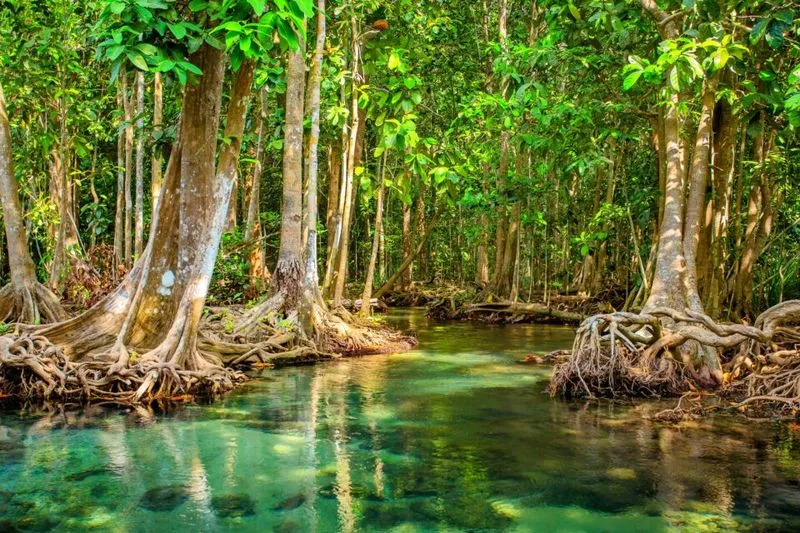
Coastal forests offer vital defense against rising global temperatures
Marking July 26 every year, UNESCO focuses world attention on our vital coastal guardians through International Day for the Conservation of the Mangrove Ecosystem. Established in 2015, this global initiative highlights how these unique forests seamlessly bridge land and sea to protect fragile environments. Building global awareness remains absolutely essential today because these prolific habitats face severe threats from rapid coastal development, pollution, and relentless deforestation. By celebrating this day, advocates hope to inspire stronger conservation policies worldwide.
Natural Defense against Climate Change
Roots of mangrove trees absorb intense wave energy during extreme weather events. This natural shielding buffers coastlines against destructive storms, severe cyclones, and tsunamis. These natural barriers save thousands of lives and prevent billions in property damage annually. Dense root structures also stabilize vulnerable soils to prevent continuous land erosion. Furthermore, muddy coastal soils trap vast quantities of blue carbon. This carbon storage process fights global warming nearly ten times faster than typical terrestrial rainforests.
Rich Biodiversity and Human Survival
Marine life depends heavily on these unique coastal nurseries. Fish, crustaceans, and endangered sea creatures find safe breeding grounds within the tangled root systems. Beyond supporting diverse wildlife, these forests sustain vital regional economies. Countless local communities rely on them for thriving fisheries, ecotourism opportunities, and sustainable forestry resources. Intricate roots also trap harmful sediments and filter out pollutants to ensure cleaner offshore waters.
Odisha Connection and Future Protection
Eastern India provides an excellent example of this immense ecological value. Bhitarkanika National Park in Odisha stands as an essential mangrove stronghold, continuously protecting inland villages from frequent Bay of Bengal cyclones. Despite offering such incredible benefits, global mangrove destruction sadly outpaces the loss of inland terrestrial forests. Preserving these remarkable coastal ecosystems requires immediate global cooperation and dedicated local action to secure our collective environmental future.
.webp)