

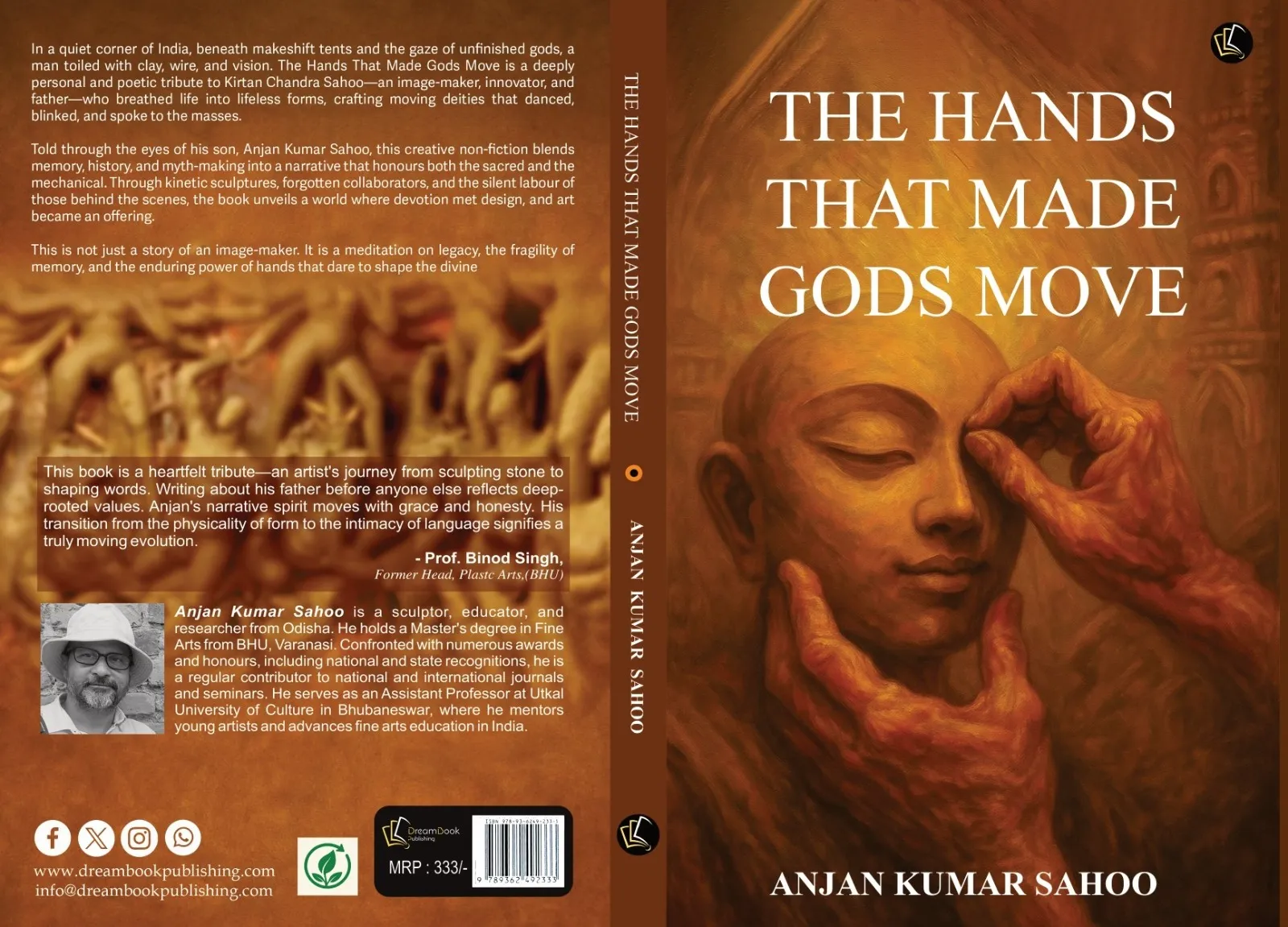
Son chronicles legendary Odia sculptor’s profound artistic evolution beautifully
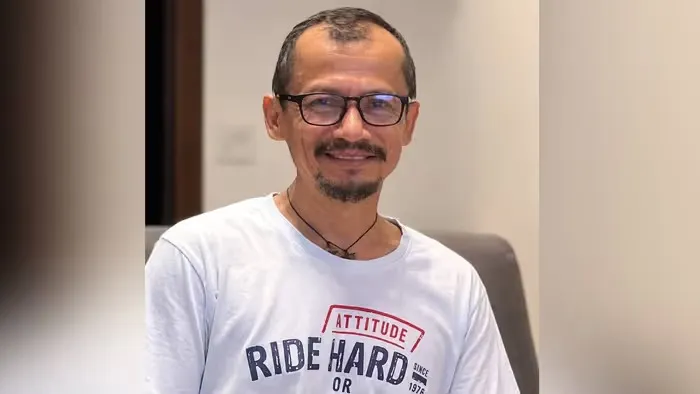
Author Anjan Kumar Sahoo recently published The Hands That Made Gods Move, an evocative biographical memoir documenting his father’s evolution as a master sculptor. Kirtan Chandra Sahoo emerged from humble beginnings to quietly revolutionize idol-making and devotional art in eastern India. This literary work serves as both a cultural archive and an intimate family chronicle, detailing how raw clay from rural riverbanks transformed into highly revered forms of magnificent divinity.
Odisha possesses a centuries-old tradition of terracotta and clay idol crafting, particularly in districts like Jajpur where artisans rely entirely on silt gathered from local riverbeds to shape deities for annual festivals. Rooted deeply in this heritage, Kirtan grew up in Khanditar, a village nurtured by the Kharasrota river. Under the watchful eye of his father, Iswar Prasad Sahoo, young Kirtan learned to respect physical labour and natural materials. Those early lessons established a foundation of profound integrity that guided his future creative endeavors.
Encounters Shaping an Artist
Master artisan Bhakta Charan Pattnaik arrived in Khanditar and forever altered Kirtan’s perspective on craft. Known locally as Bhakta Babu, this mentor modeled intense discipline and spiritual focus, proving that humble, calloused hands could manifest the divine. Temple rituals woven into the daily rhythm of the village further awakened his artistic consciousness, making art indistinguishable from everyday survival. Mentors like Pattnaik and Kartik Paul functioned as powerful symbols of pedagogical resilience. They demonstrated how traditional knowledge transfers seamlessly across generations, ensuring that ancient techniques survive modern disruptions.

Travelogue beyond Rural Odisha
Seeking broader horizons, Kirtan traveled into the bustling, labyrinthine alleys of Kumortuli in Kolkata. There, the damp scent of wet earth and the relentless pace of urban idol-making challenged his rural sensibilities. He navigated a vibrant world filled with competitive sports, regional cinema, and traditional Giti-natya theatre. He endured grueling cycles of failure, physical exhaustion, and eventual triumph. These urban trials refined his aesthetic, blending Odia humility with Bengali grandeur to create entirely unique artistic expressions.
Preserving an Unsung Legacy
Writing this text allowed Anjan to actively preserve his father's fragile heritage. By acting as both an observant witness and a devoted son, he critically evaluates the complex dynamics between teacher and student, past and present. The village squares and the local Matha function as living spaces where devotion and daily chores intersect seamlessly. His prose situates his father's achievements directly within post-colonial India’s shifting socio-cultural landscape, questioning how indigenous art forms adapt to rapid urbanization.
Honouring Decades of Silent Labor
Readers will find much more than a simple chronological biography within these pages. It stands as a profound meditation on how relationships, environments, and sheer persistence forge brilliant creators. Generations of Indian artisans carried their craft across state lines, laboring quietly in the background of grand religious celebrations. By capturing his father's triumphs and tears, Anjan elevates an entire community of unrecorded makers, finally giving their invaluable, historically overlooked cultural contributions the brilliant spotlight they so richly and undeniably deserve.
Book Cover and images Courtesy: Author Anjan Kumar Sahoo