
.webp)

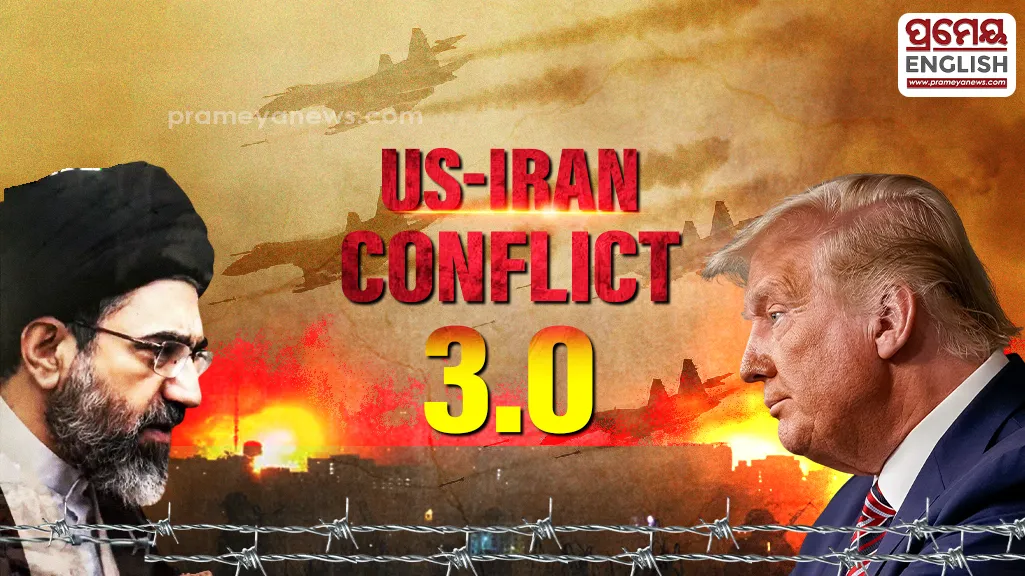
Washington claims diplomatic victory while Tehran denies finalized terms
President Donald Trump claims Washington successfully concluded its armed conflict against Iran, stating Tehran agreed to permanently abandon its nuclear weapon ambitions. Speaking to supporters during a Thursday virtual tele-rally, he abruptly declared an end to active hostilities and canceled immediately scheduled military bombings. This sudden announcement signals a dramatic shift in Middle East dynamics following months of intense regional warfare. Historically, diplomatic breakthroughs in this volatile region often face severe domestic pushback from hardliners in both nations before becoming official policy, making premature announcements incredibly risky.
Iranian authorities quickly pushed back against Washington's highly optimistic projections regarding the US-Iran peace agreement. Foreign Ministry spokesman Esmaeil Baqaei explicitly stated no ultimate resolution exists right now. State-aligned media outlets in Tehran reminded audiences how American leaders previously declared imminent breakthroughs dozens of times over two months without delivering actual results. They urged citizens to view recent proclamations with heavy skepticism until domestic leadership provides formal confirmation. Despite such public resistance, American officials expect Vice President JD Vance to sign an official understanding in Europe very soon.
Behind closed doors, intensive discussions reportedly lasted late into Wednesday night. Qatari envoy Ali Al-Thawadi worked closely alongside Iranian Foreign Minister Abbas Araghchi to resolve major sticking points. Negotiators successfully drafted frameworks to unfreeze sanctioned assets and reopen the strategically vital Strait of Hormuz for global shipping during a temporary ceasefire. If finalized, opening this crucial maritime corridor would stabilise energy markets worldwide, directly easing crippling fuel price burdens for import-heavy developing nations like India.
Until both sides formally endorse these drafted written terms, American naval blockades will maintain full operational status across the Persian Gulf. Washington maintains that regional powers, including Saudi Arabia and Turkey, fully support this emerging framework. However, true finality requires supreme political approval from Iran's highest religious authorities. Negotiators established a solid technical consensus, yet actual implementation relies entirely on final authorization from Tehran. Both capitals now wait anxiously to see if backroom diplomatic progress actually translates into a lasting and binding peace treaty very soon.
With inputs from Agency Threads
.webp)