



Single pending FIRs cannot halt your firearm renewal requests
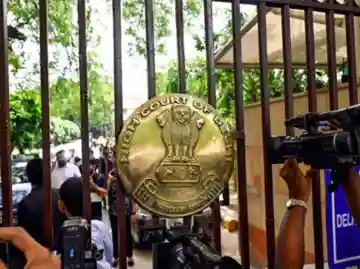
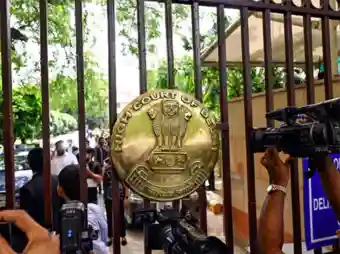
Recent legal developments have brought major relief for firearm owners facing administrative hurdles in Odisha. Authorities cannot arbitrarily cancel or refuse to renew a weapon permit simply because a criminal case is pending against the holder. Justice A.K. Mohapatra recently delivered this pivotal verdict, noting that bureaucrats do not hold absolute or unchecked power over citizen safety permits under the statutory provisions of the Arms Act.
Khordha Businessman Wins Legal Battle
Sambit Padhy, an entrepreneur based in Khordha, originally received his firearm permit in August 2019. When his documents expired three years later, his renewal application faced a sudden roadblock. Local officials denied his request in early 2023, citing an unresolved police report related to suspected mineral possession violations. Even though an initial police inquiry recommended approving the renewal and confirmed he posed no community threat, higher administrative authorities dismissed his subsequent appeals. This prolonged dispute ultimately forced him to seek justice at the state's top judicial forum.
Citizens possess a fundamental necessity to secure their own lives when facing genuine threats. State resources cannot physically guard every single person around the clock. Recognizing this practical limitation, lawmakers designed the Arms Act of 1959 to help vulnerable individuals protect their personal liberty. Consequently, granting these permits aligns directly with Article 21 of the Indian Constitution. Judges stressed that officials must process genuine applications fairly instead of blindly rejecting them over unproven allegations.
Mandatory Test for Permit Revocation
Simply having a registered First Information Report is completely insufficient to justify revoking an Orissa High Court arms licence. Officials must objectively prove three crucial factors before taking such harsh steps. First, they need concrete evidence of the individual's direct involvement in a crime. Second, there must be proof that the specific licensed weapon was actively misused. Finally, the person's overall behavior must represent a verifiable danger to public harmony. In Padhy's situation, he faced no assault charges, his gun remained unused in any crime, and no conviction existed. Furthermore, administrators completely ignored Section 17 of the Act, which strictly limits cancellations to severe breaches like suppressing facts or threatening social peace.
Setting a strong precedent, the judicial bench entirely scrapped the previous rejection orders from 2023 and 2025. Officials now have four weeks to thoroughly re-evaluate the businessman's request. They must issue a logically reasoned decision that strictly respects statutory laws and acknowledges the original favorable police report.
With Inputs from: Uma Kanta Tandi, Advocate, Orissa High Court, Cuttack