
.webp)


India bans sugar-based ethanol to secure domestic food supplies
State-run oil marketing companies have officially barred the use of sugarcane juice, sugar syrup, and B-heavy molasses for ethanol production in the upcoming 2026-27 supply cycle. Indian Oil Corporation, Bharat Petroleum, and Hindustan Petroleum issued a joint tender seeking approximately 11 billion litres of ethanol, directly instructing suppliers to bring sugar diversion down to zero. This regulatory intervention aims to stabilize domestic retail prices and secure national inventory levels. Weak rainfall across major cane-growing states, particularly Maharashtra and Karnataka, previously triggered widespread worries regarding the upcoming harvest yield, compelling policymakers to protect raw sugar stocks over biofuel generation.
Focus shifts toward grain feedstocks
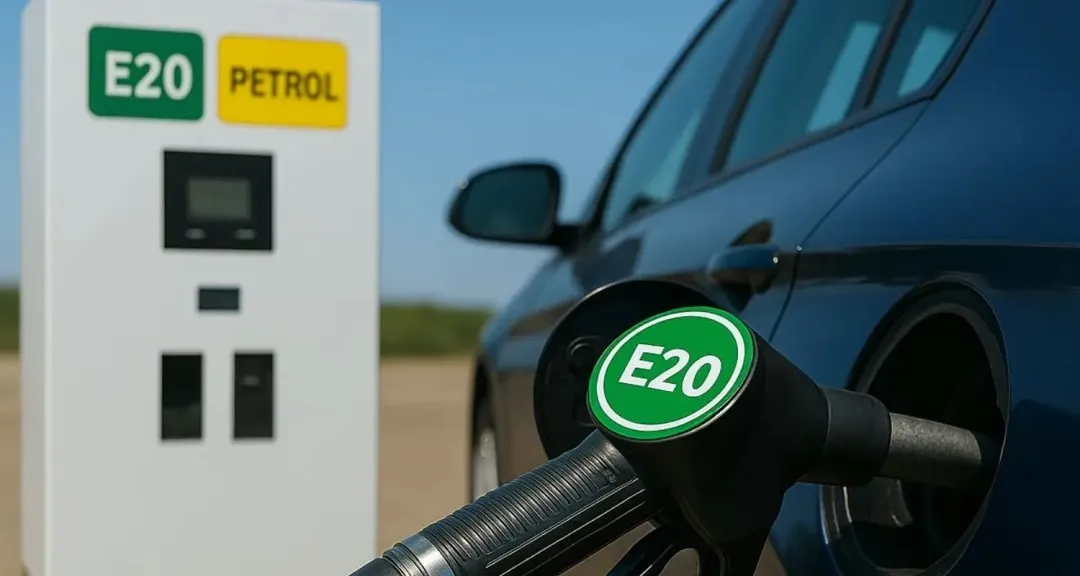
Ethanol producers must now pivot entirely toward alternative raw materials to fulfill their contractual obligations. Documents explicitly approve bids for ethanol derived from maize, broken rice, damaged food grains, C-heavy molasses, and surplus rice secured through the Food Corporation of India. Sourcing ethanol from third parties remains prohibited, requiring all participating companies to utilise their own registered distilleries. This strategy ensures the country can continue advancing its E20 mandate, which requires all fuel stations to dispense petrol blended with 20 percent ethanol, without jeopardizing food security.
Financial adjustments for producers
Revised commercial terms will immediately impact operational margins for distilleries processing grain. Officials slashed the specific financial incentive provided for corn-based ethanol from ₹5.79 down to ₹2.79 per litre. Because of this adjustment, the final guaranteed procurement price falls from ₹71.86 to ₹68.86 per litre, excluding taxes. Suppliers relying heavily on maize face lower overall returns and must optimize their processing capabilities to remain competitive. Because the ethanol supply year spans from November 2026 to October 2027, grain availability, transportation logistics, and fluctuating open-market crop prices will dictate the success of this procurement cycle.
.webp)