

.webp)


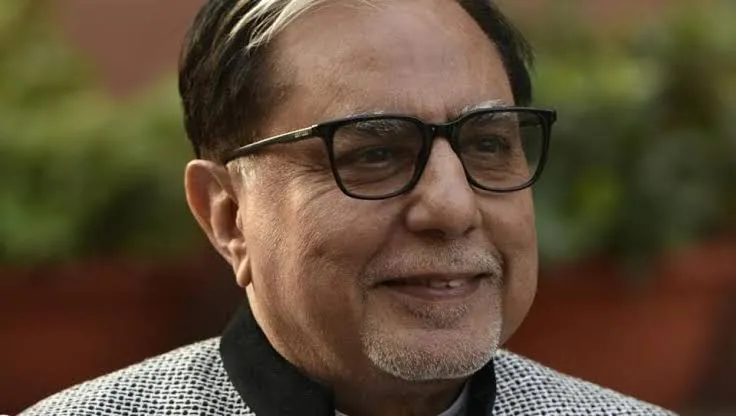
Split tribunal rulings delay Subhash Chandra personal insolvency resolution
National Company Law Tribunal proceedings regarding Essel Group Chairman Subhash Chandra face fresh delays following unresolved differences among bench members. Legal disputes over corporate debt recovery frequently stretch across multiple financial quarters, heavily impacting institutional lenders waiting for resolution. Currently, no final order exists for this high-profile personal insolvency case involving creditor claims exceeding Rs 22,006.57 crore. Two members of a division bench could not establish a majority verdict on Monday. This deadlock happened because a third independent member provided a differing legal viewpoint regarding creditor rights. Consequently, officials referred this complex matter back to the NCLT President, who might appoint another member or issue a direct order to break the tie.
Disputes over Drastic Debt Reductions
Previous rulings saw the third member approve a settlement where Chandra would pay just Rs 6.5 crore against the enormous total debt. This arrangement included Rs 6.25 crore directly for creditors and Rs 25 lakhs for process costs, representing an extreme 99.97 percent haircut. While 80.8 percent of creditors supported the repayment plan, dissenting financial institutions, led by LIC Housing Finance, strongly opposed it. These dissenting banks, representing roughly 19.2 percent of creditors, argued that such minimal payouts were entirely unviable and unlawful.
Differing Interpretations of Insolvency Laws
Legal friction centers on specific procedural codes within the Insolvency and Bankruptcy Code. One judicial member previously allowed dissenting banks to pursue debt recovery independently outside the approved plan. However, the third member's independent 144-page order extinguished the claims of all creditors uniformly, citing poor estate valuation. Since this third opinion diverged significantly from both original bench members, the tribunal declared that no actionable majority view emerged. Resolving such deep structural disagreements now requires high-level intervention from the NCLT President to finalise the financial strategy.
.webp)