
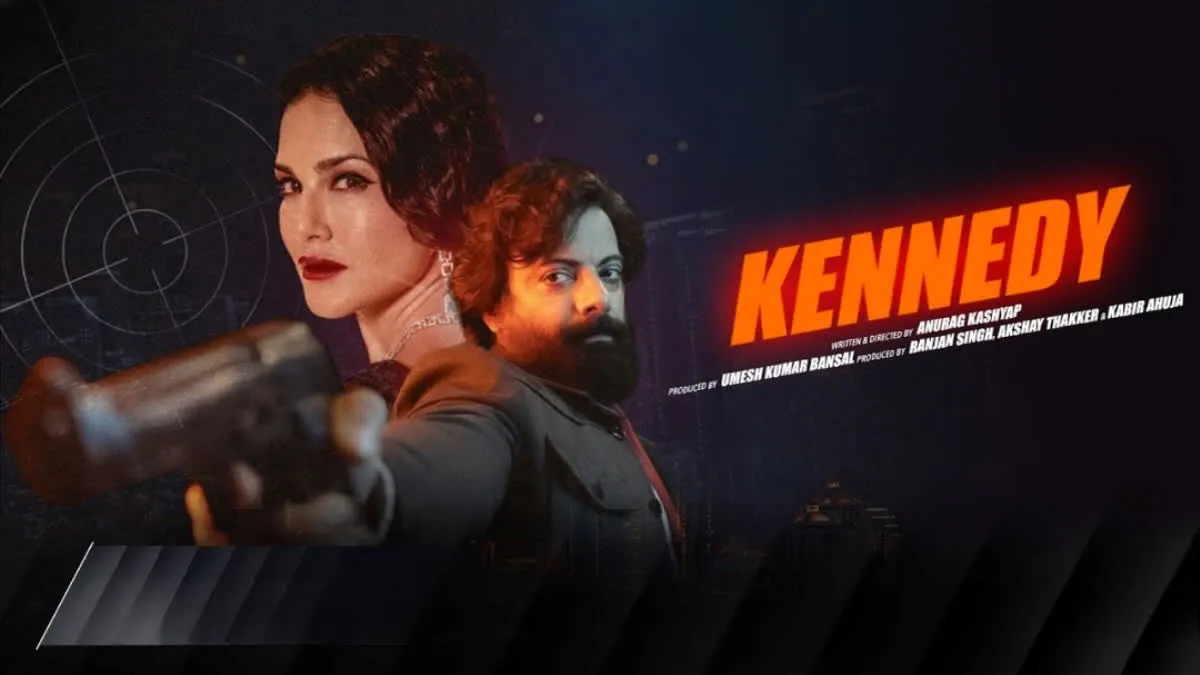
Dark secrets unfold in this gripping post-pandemic Bollywood thriller
Fans of gritty cinema are in for a treat with the latest Bollywood thriller on ZEE5. Directed by Anurag Kashyap, the film has finally dropped, and our Kennedy movie review explores its dark, twisted universe. Set right after the initial Covid-19 outbreak, the story captures a strange, mask-filled reality. For Odia cinephiles looking for gripping entertainment news Bhubaneswar, this pandemic setting movie offers a uniquely unsettling vibe. It feels almost apocalyptic, even though we all remember living through those tough times. The eerie atmosphere sets the perfect stage for a tale of manipulation.
At its core, the narrative dives deep into moral decay and the abuse of power. A corrupt police boss plays a dangerous game, pulling the strings of two rival gangsters. Instead of focusing just on gang wars, Kashyap shifts his lens to the psychological toll of authority and control. Viewers tracking ZEE5 releases in Odisha will appreciate how the director weaves sharp political commentary into everyday moments. One standout scene features a casual cab ride where passengers freely discuss governance, completely ignoring their driver.
The true anchor of this story is the brilliant Rahul Bhat acting as Uday, an invisible assassin driving a taxi. He operates like a cold, emotionless machine who collects morbid souvenirs from his targets. Whenever violence strikes, unsettling jazz music plays in the background, making the grim scenes feel strangely poetic rather than just brutal. He even sees the ghosts of his victims, adding a haunting, supernatural layer to his broken mind. Adding to the star power is the much-anticipated Sunny Leone new film appearance. She fits perfectly into this shadowy world, bringing a surprising vulnerability to her role as Charlie.
While the supporting cast delivers strong moments, the plot sometimes struggles to hold every single thread perfectly together. It offers brilliant fragments of tension and chilling cinematic moments rather than a completely seamless storyline. However, as far as movie reviews for Odisha go, this remains a highly recommended watch for fans of intense, character-driven cinema. Kashyap stays true to his signature style, delivering a thought-provoking and morally complex experience that will leave audiences questioning the true nature of power.