
.webp)


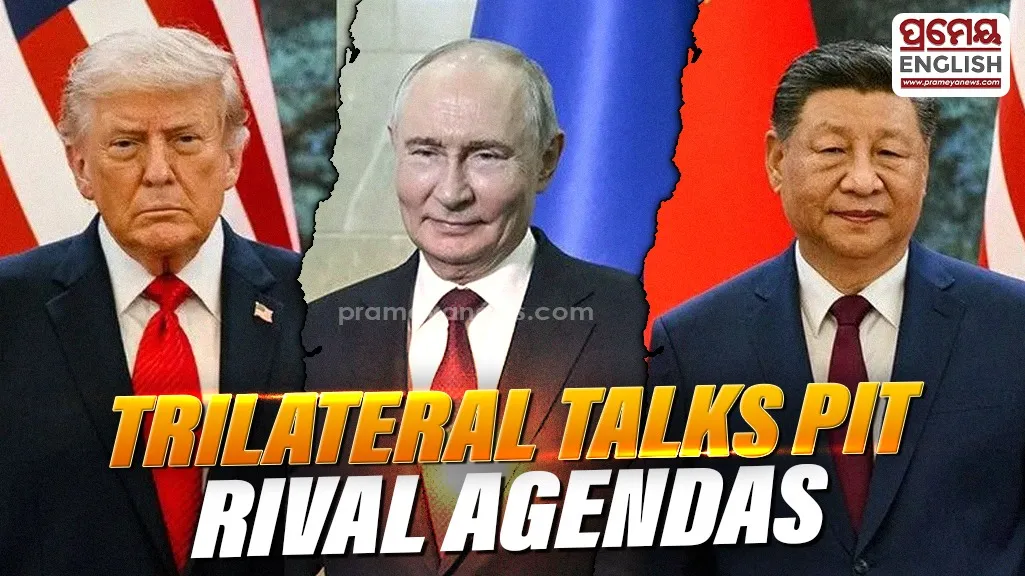
Trump, Putin, and Xi hold historic talks despite deep divides
United States President Donald Trump, Russian President Vladimir Putin, and Chinese President Xi Jinping are meeting in Shenzhen on Thursday for their first-ever face-to-face trilateral summit on the sidelines of the 33rd Asia-Pacific Economic Cooperation gathering, though sharply competing national priorities leave slim prospects for binding agreements. While Chinese officials stated that the three leaders would discuss broad issues tied to world peace without confirming a formal agenda, diplomatic analysts caution that the visual symbolism of the meeting will likely outweigh concrete policy breakthroughs. Geopolitical observers have drawn comparisons between this three-power gathering and the 1945 Yalta conference, raising concerns among smaller nations that major capitals could attempt to shape global security terms without affected countries present.
Nuclear Weapons and Strategic Mistrust
Curbing nuclear proliferation stands at the top of Washington’s stated agenda. Trump has repeatedly emphasized reducing global nuclear stockpiles, a priority echoed by United Nations Secretary-General António Guterres ahead of the talks. Still, Beijing has consistently declined to join three-way arms control negotiations, arguing that its nuclear arsenal remains far smaller than those held by the United States and Russia. Because of this gap, analysts expect informal exchanges on strategic stability rather than a formal treaty.
Iran Conflict and Global Shipping Risks
Regional instability in West Asia presents another urgent test for the three leaders. The United States-Israeli military conflict with Iran, ongoing since February 2026, has severely disrupted commercial transit through the Strait of Hormuz. Attacks struck 37 commercial vessels in October alone—the highest monthly total since fighting began - and naval mines recently set three oil tankers ablaze. Even if the leaders signal support for de-escalation, maritime experts note that mine clearance operations and steep insurance premiums will continue slowing oil and cargo flows for months.
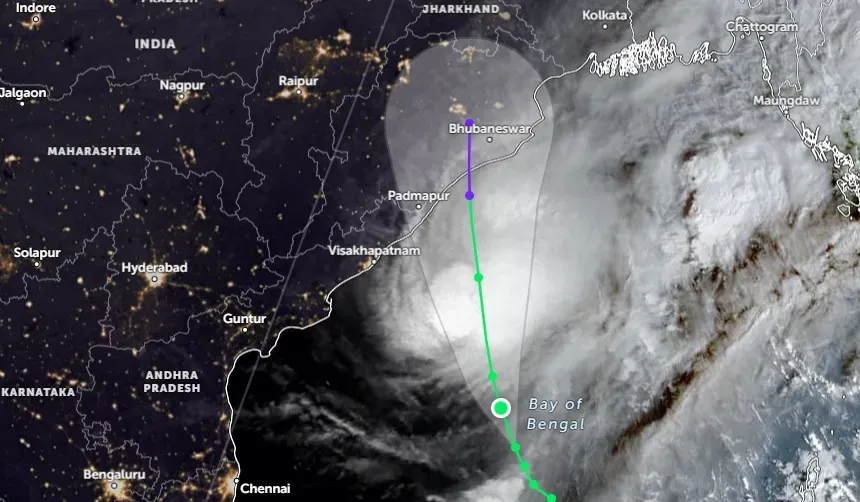
Also read: Red flag alert: Puri steps up preparations to tackle cyclone Akvan
Ukraine Dispute and Trade Friction
Moscow reportedly proposed the three-way format in hopes of leveraging Beijing’s diplomatic weight to secure favorable terms for ending the Russia-Ukraine war. Senior United States officials indicated that Washington prefers handling Ukraine through a separate diplomatic channel involving both Kyiv and Moscow, though Trump suggested before departing for Asia that the conflict could still surface. Meanwhile, lingering United States-China friction over tariffs, rare earth mineral supply chains, artificial intelligence competition, and arms sales to Taiwan further narrows the space for lasting consensus during the Shenzhen talks.
.webp)