


Even in the 21st century, married women across India continue to observe fasts for the long life and well-being of their husbandsEven in the 21st century, married women across India continue to observe fasts for the long life and well-being of their husbands. While some may view the practice as patriarchal, rituals such as Karva Chauth, Hartalika Teej, Mangla Gauri, Ashunya Shayan, and Sawan Somwar remain widespread, transcending regional boundaries.
In Odisha, Savitri Brata holds special significance. Observed on Amavasya in the Odia month of Jyestha, the Brata honors the devotion of Goddess Savitri, who is celebrated for saving her husband Satyaban from Yamaraj, the Lord of Death.
The Legend of Savitri
Savitri, the daughter of King Aswapati of Madra, chose to marry Satyaban, a prince living in exile, despite knowing he was fated to die within a year. Living devotedly with her husband and in-laws in a forest, she exemplified loyalty and virtue. On the day of Satyaban’s destined death, Savitri followed him even after Yamaraj appeared to claim his soul. Her unwavering devotion impressed Yamaraj, who restored her husband’s life. Since then, women have observed the fast with dedication, symbolizing love, devotion, and respect for their husbands. The Brata is also observed in Bihar and Uttar Pradesh, where it is known as Vrat Savitri.
Rituals and Observances
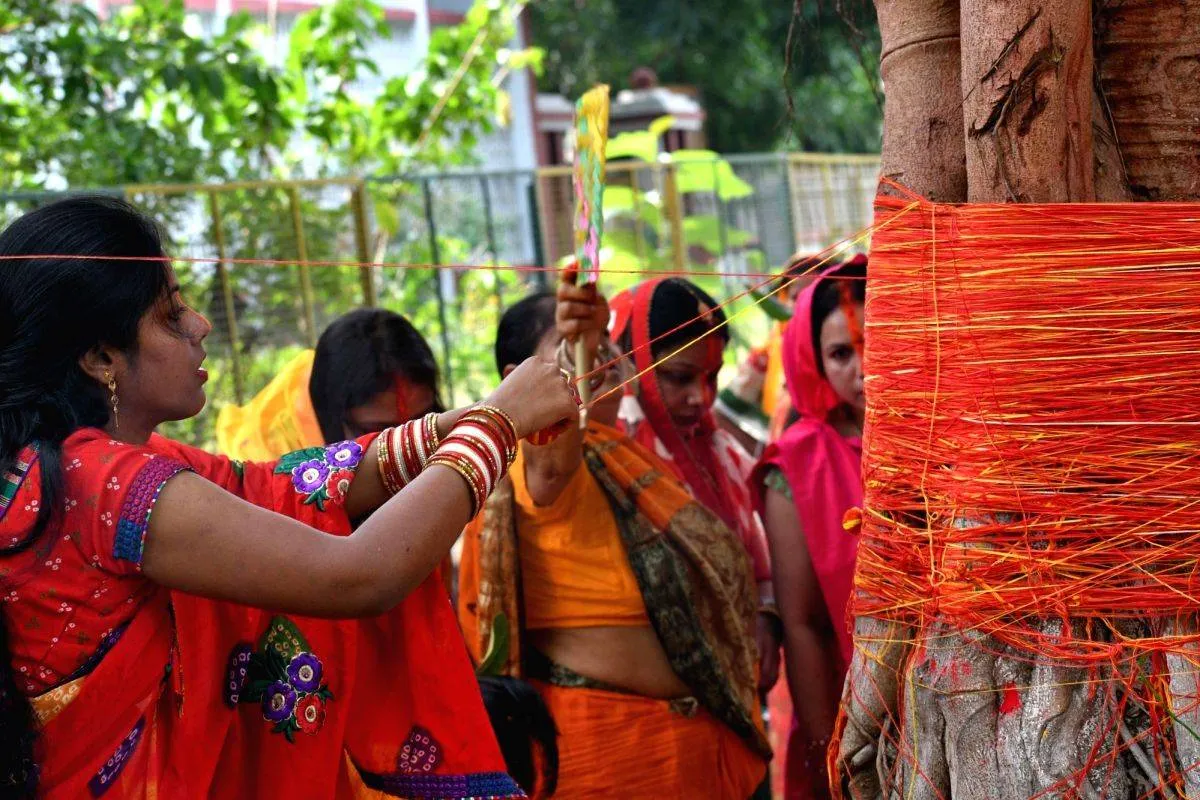
On the day of Savitri Brata, married women bathe early, wear colorful sarees, adorn bangles, and apply vermillion. They often sit under a banyan tree, listen to the Savitri Brata Katha, and offer nine types of fruits and flowers. Some perform the puja at temples, while others celebrate it at home, decorating the grinding stone, Silapua, with turmeric, vermillion, and new sarees. Women avoid black and white attire, and fasting involves consuming only fruits throughout the day.
Modern Perspectives
Priyanka Priyadarshini, a doctor, emphasizes balance: “We should respect tradition but not harm ourselves. If you are physically fit, fasting is fine, but if not, refrain. Love and understanding, more than ritual, sustain a marriage.”
Savitri Brata remains a reflection of devotion, culture, and evolving interpretations of tradition, blending faith with modern sensibilities.