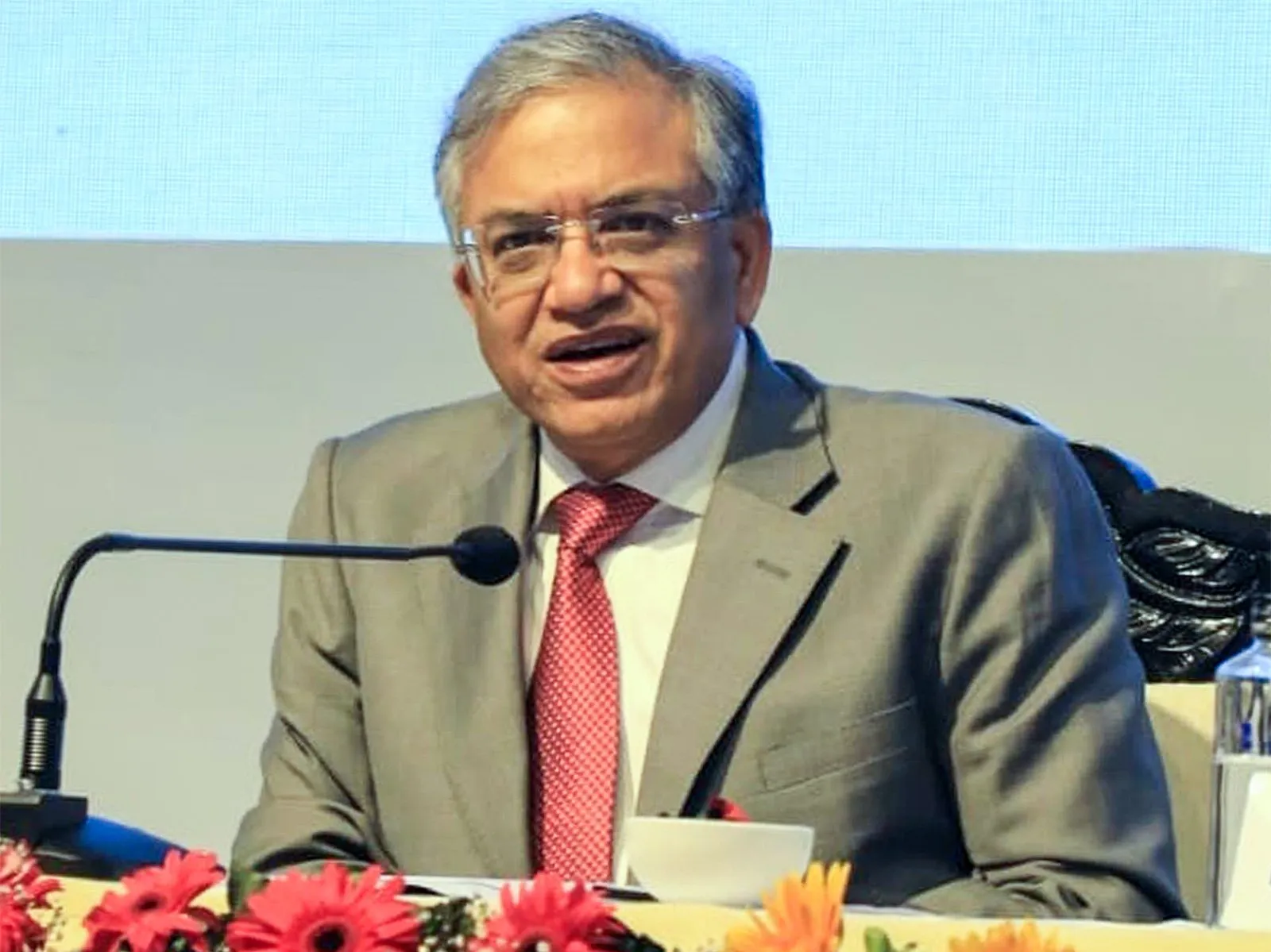

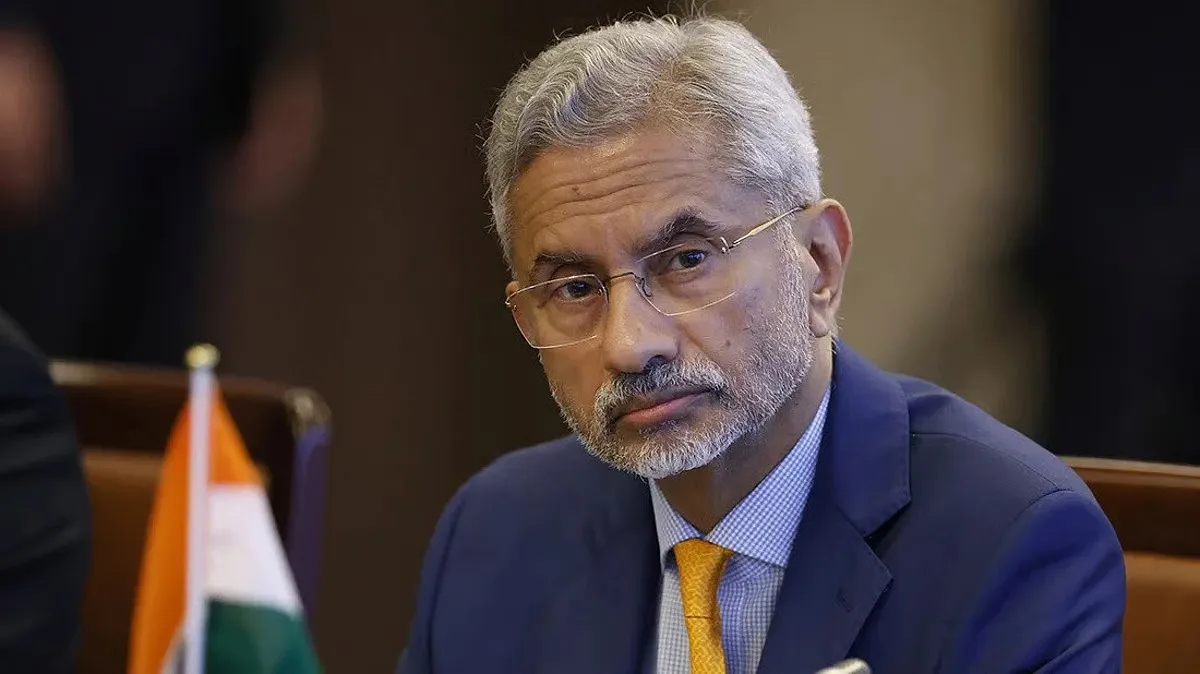
New Delhi, March 17: Official Spokesperson for the Ministry of External Affairs, Randhir Jaiswal said on Tuesday that External Affairs Minister S Jaishankar visited Brussels at the invitation of EU High Representative and Vice President, Kaja Kallas.
Jaiswal, while addressing the Inter-Ministerial Briefing on Recent Developments in West Asia, said that the leaders underlined the need for dialogue to bring an end to the crisis.
"Our External Affairs Minister visited Brussels. He was invited by the EU High Representative and Vice President, Kaja Kallas, to attend the EU Foreign Affairs Council meeting. At the meeting, apart from discussing India-EU ties, he and other ministers of the European Union, foreign ministers of the various countries of the EU, discussed global challenges, particularly the situation in West Asia, including its effects on energy security. The ministers also underlined the need for dialogue and diplomacy to be drafted to bring an early end to this particular conflict," he said.
Jaishankar had visited Brussels for a two-day visit.
In a post on X, he said, "Concluded a productive visit to Brussels, meeting with the European Union Foreign Affairs Council, calling on Presidents of the EU Council Antonio Costa and EU Commission Ursula von der Leyen, and holding talks with EU HRVP Kaja Kallas. Also met EU counterparts and held separate bilateral discussions with many."
Jaishankar said they discussed ten key points. They discussed: the finalization of the Free Trade Agreement (FTA) represents a turning point in India-EU ties. Will not only unlock its enormous economic potential but express the strategic nature of our engagement. To realize the gains of FTA on the ground, the two sides should proactively assist each other in practical activities, including trade and investment promotion.
The Trade and Technology Council (TTC) can be upgraded and repurposed to facilitate collaboration in critical and cutting-edge technologies. De-risking supply chains and enhancing resilience are shared objectives. The FTA will encourage deeper business linkages to that end.
Mobility of skills and talent flows are very important. The establishment of the Legal Gateway Office in India is noteworthy. We have a common interest in promoting Global Capability Centers (GCCs) in India. The Security and Defence Partnership will be taken forward.
Will endeavour to conclude the Security of Information Agreement early. Connectivity is also prominent in our agenda. Will work together to give practical shape to IMEC and other such initiatives. As multilateralism comes under stress, India and the EU will strive to strengthen its institutions and practices.
Our Strategic Partnership will be carried out through close and regular consultations at the leadership level. Domain specific mechanisms will support those efforts. In a multipolar and uncertain world, the India-EU partnership will act as a factor of stability and resilience.