


Russia offers joint production of advanced fifth-generation aircraft
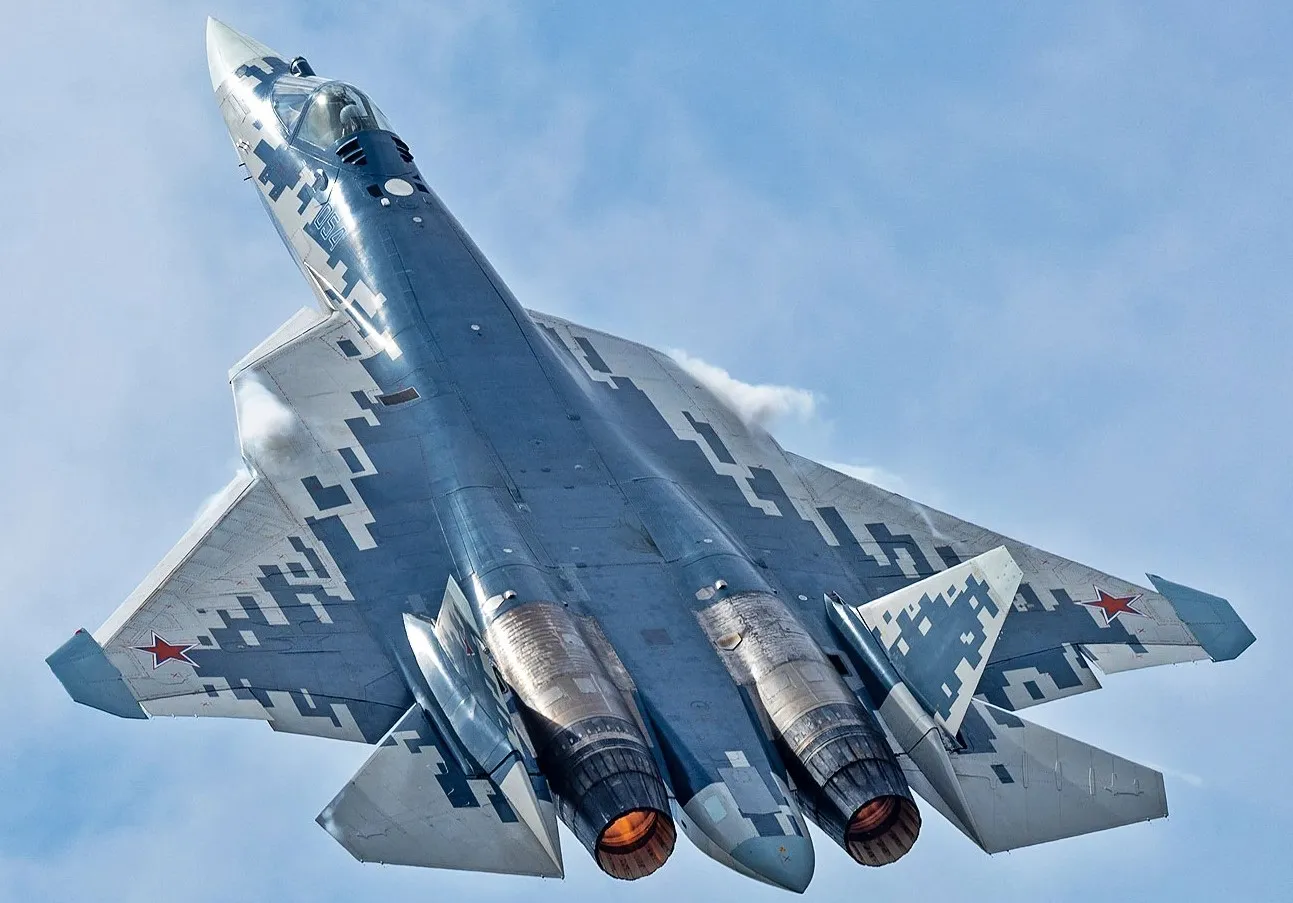
Russian President Vladimir Putin has invited India to co-develop and manufacture the Su-57 stealth fighter jet, proposing a deep transfer of sensitive military technology. Speaking with international media, Putin confirmed that Moscow faces no boundaries or political hurdles in sharing its premier aviation advancements with New Delhi. This dynamic strategic proposal arrives as the Indian Air Force aggressively seeks next-tier radar-evading capabilities to maintain aerial superiority across South Asia.
Regional developments add urgency to the tactical calculations of Indian military planners. Reports indicate neighboring Pakistan is moving to procure advanced J-35AE stealth models from China, creating a potential imbalance in regional skies. Meanwhile, India's domestic Fifth-Generation Fighter Aircraft program, known as the Advanced Medium Combat Aircraft, progresses steadily but remains on track for operational deployment only by the mid-2030s. This creates a decade-long technological window that the Sukhoi Su-57 offer aims to address.
Historical context plays a heavy role in these renewed bilateral negotiations. India previously participated in the Fifth Generation Fighter Aircraft venture with Russia starting over a decade ago but withdrew from the framework around 2018 due to disagreements over cost sharing and technology transfer depths. Putin noted that while Russia finished the complex aerospace design single-handedly, now remains fully prepared to reopen manufacturing blueprints for Indian engineers.
Historically, this aligns with decades of deep-rooted cooperation where India has relied heavily on Russian platforms, ranging from MiG units to modern Sukhoi variants. Observers note that integrating these systems would follow a well-established logistical tradition within Indian state defenses.
Moscow emphasizes that the package extends far beyond basic aircraft delivery. The framework includes sharing source codes and localized manufacturing rights, contrasting sharply with western arms export restrictions. Putin also reiterated that similar unrestricted collaboration remains available for advanced integrated air defense networks, signaling a desire to secure long-term industrial dependency.