



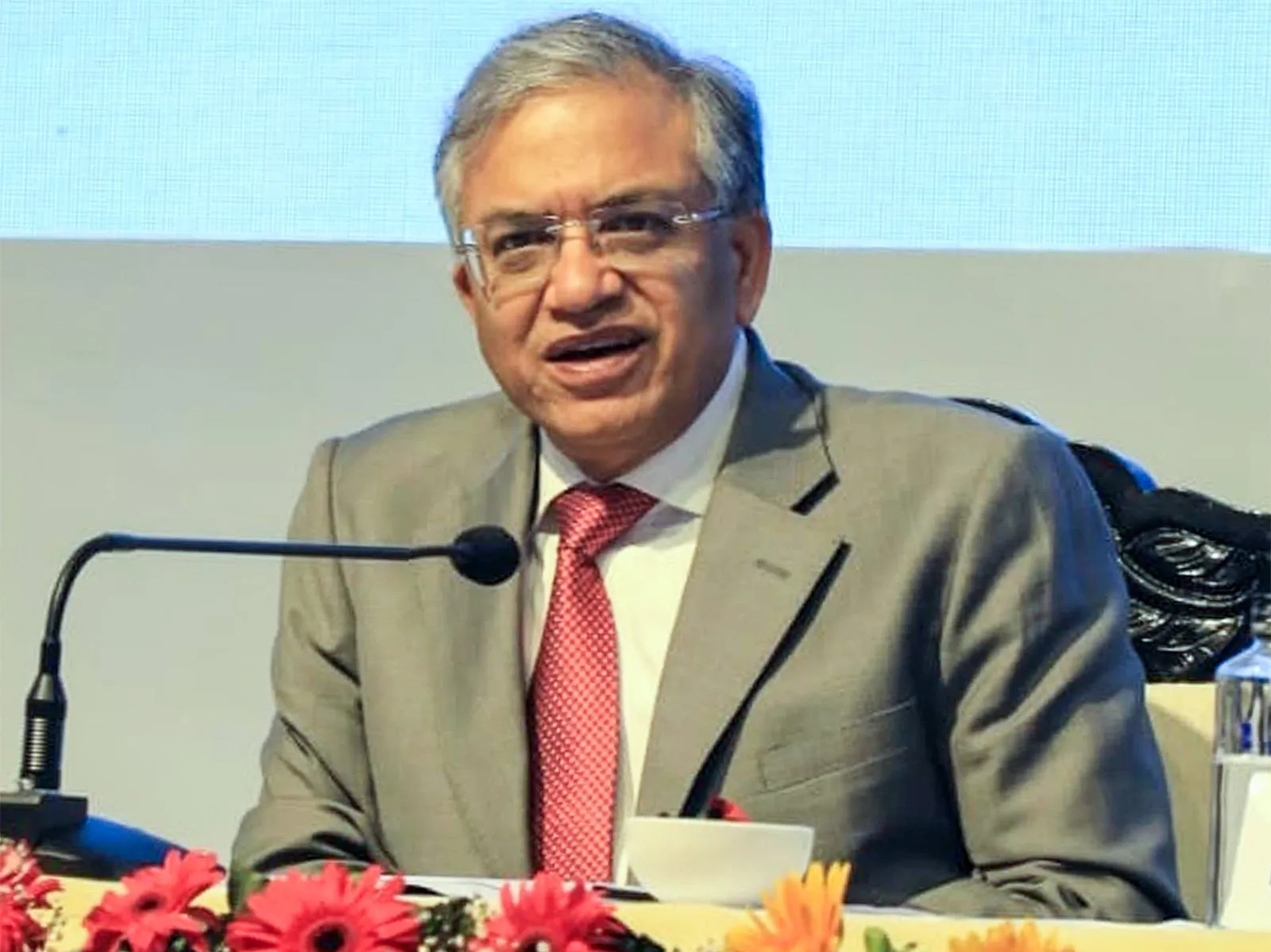
Delhi, March 18:The Election Commission of India (ECI) announced the schedule for the General Election to Legislative Assembly of Assam, Kerala, Puducherry, Tamil Nadu and West Bengal and bye-elections in 6 States on March 15, 2026.
To ensure the smooth and orderly progress of the various phases of elections in the 5 States/UTs, over 25 lakh election officials have been deployed. The total electors eligible to vote in these elections are over 17.4 crores. This amounts to nearly 1 election official for every 70 electors.
Chief Election Commissioner Gyanesh Kumar while announcing the schedule of the elections had stated that the officials have been directed to act with complete impartiality to ensure that the elections are violence-free and inducement-free so that each elector votes without fear or favour
The personnel deployed include nearly 15 lakh Polling Personnel, 8.5 lakh Security Personnel, 40 thousand Counting Personnel, 49 thousand Micro Observers, 21 thousand Sector Officers, 15 thousand Micro-observers for counting amongst other officials.
The field-level election machinery, including over 2.18 lakh BLOs are available for the voters on a phone call and through the Book-a-call to BLO facility on the ECINet App. Call centre number +91 (STD Code) 1950 is also available for registering any complaint/query at the DEO/RO level.
All the personnel deployed shall be deemed to be on deputation to the Election Commission as per the provisions of Section 28A of the Representation of the People Act, 1951.
1,111 Central Observers have been deployed across the 832 Assembly Constituencies to function as the eyes and ears of the Commission during the general elections and the bye-elections. These include 557 General Observers, 188 Police Observers and 366 Expenditure Observers. Most of the Central Observers deployed have already reached their respective assigned ACs.
The Observers will share their contact details and meet the candidates, political parties or their representatives or any member of the public to hear their election-related grievances at a specified time everyday.