
.webp)

Bhubaneswar, June 1: Ahead of the upcoming monsoons, a Global Standards training for crop protection in emergencies was initiated by Reliance Foundation for the first time in Bhubaneswar.
The five-day training of practitioners on protecting crop-dependent livelihoods in emergencies brought together insights and skills to help farmers during disasters.Given India’s extreme vulnerability to disasters, prioritising crop protection is essential to protect farmers and strengthen resilience.
The Standards for Supporting Crop-Related Livelihoods in Emergencies (SEADS) are international, evidence-based minimum standards that guide humanitarian workers in designing, implementing, and evaluating timely, quality agricultural interventions to strengthen the resilience of farming communities during crises.
“A strong network of trained practitioners equipped with practical, field-ready approaches will safeguard crop dependent livelihoods in emergencies, by touching the lives of approximately one lakh agricultural farmers in the next 5 years, with enhanced preparedness and response capacities,” said Animesh Prakash, Head – Disaster Management, Reliance Foundation.
He further stated, “The unique aspect of this training was the combination of global frameworks such as SEADS with locally relevant practices and collaborative learning. Over the next year, the programme aims to strengthen preparedness, to support long-term resilience in rural communities.”
"These trainings by Reliance Foundation would go a long way to develop a cadre of trained professionals with the right knowledge and skills to enhance community resilience and response capacities. We have seen the impact of scientific approaches to protect communities." expressed Prof Umasankar Nayak, Joint Director, Odisha University of Agriculture and Technology (OUAT), Bhubaneswar, Odisha.
The training strengthened practitioners’ readiness to protect crop-dependent livelihoods in emergencies improving understanding, providing practical tools, and offering field-ready approaches. Participants learnt to apply SEADS minimum standards alongside Climate-Smart Agriculture and NICRA-linked climate-resilient agriculture approaches for preparedness and response planning as well as broader community resilience efforts.
With practical tools, strategies and field-oriented approaches to support timely and informed interventions before, during and after emergencies.
In addition to experts from Reliance Foundation, representatives from Krishi Vigyan Kendras (KVKs) in Gujarat and Tamil Nadu, and implementation partners from Gujarat, West Bengal, Assam, Bihar, Andhra Pradesh, Tamil Nadu, Kerala and Odisha also participated. The initiative created a collaborative platform for cross-learning among professionals working across disaster risk reduction, agriculture and livelihoods.
The training featured sessions by agroecologist Anshuman Das and Dr Umasankar Nayak, Joint Director, Odisha University of Agriculture and Technology, Hansen Thambi Prem from Reliance Foundation, and Krishna Mohanclimate expert also trained in the Asia Pacific SEADS Standards, and a virtual session from Shawn McGuire from The Food and Agriculture Organisation of the United Nations (FAO).
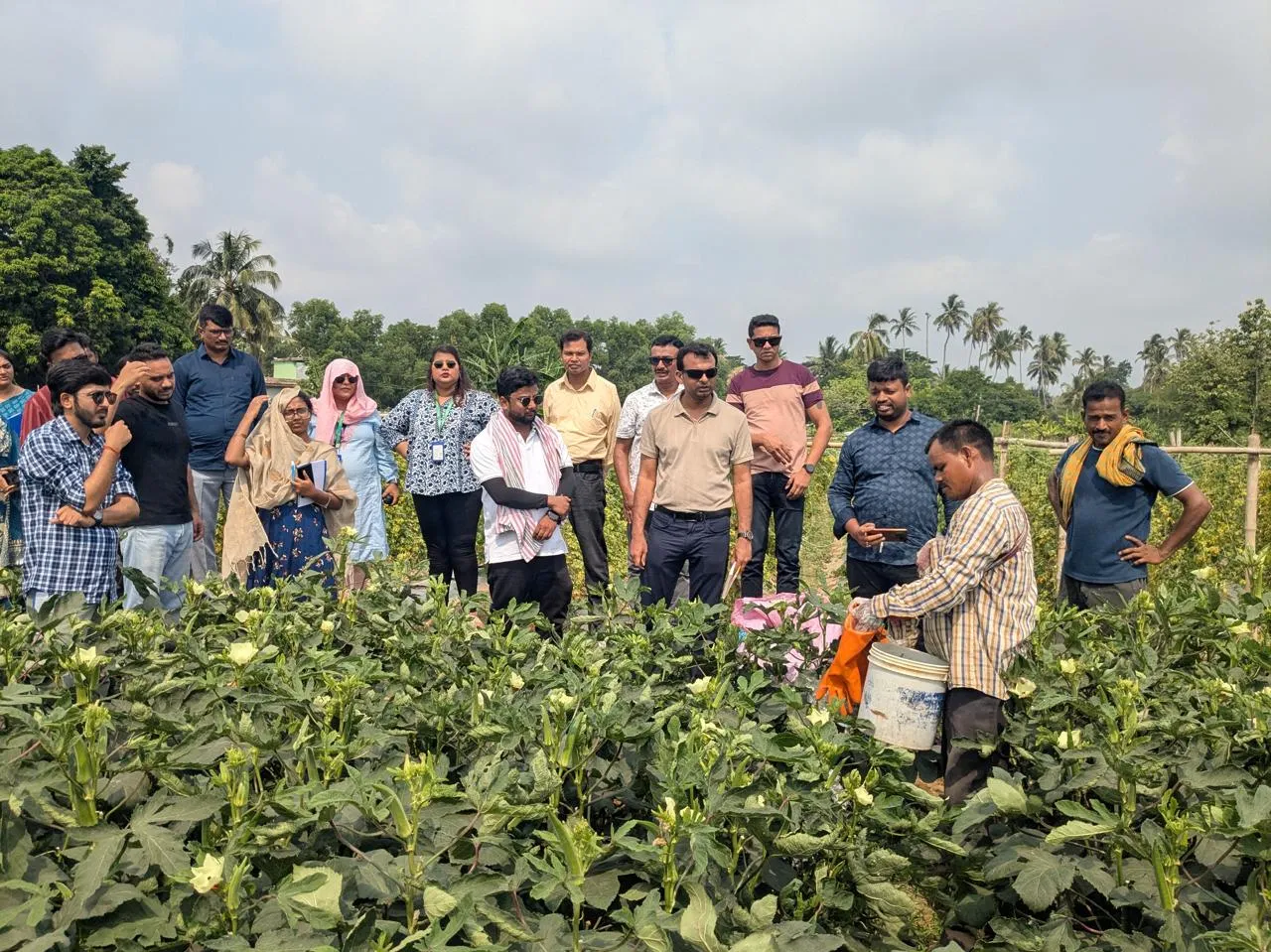
The participants also visited Naruda village in Puri district, adopted by Krishi Vigyan Kendra Sakhigopal, Puriinteracting with farmers to understand how crop-dependent livelihood protection models are implemented at the community level to observetheir effectiveness first-hand.
Reliance Foundation aims to continually buildfield-level capacities and enabling collaborative, locally relevant approaches to strengthen agricultural resilience and support sustainable rural livelihoods, even in extreme emergencies and disasters.
.webp)