
Bhubaneswar, March 18: About 725 cooperative societies are under liquidation with dues of Rs 11.08 crore to banks. This was disclosed in the Rajya Sabha on Wednesday.
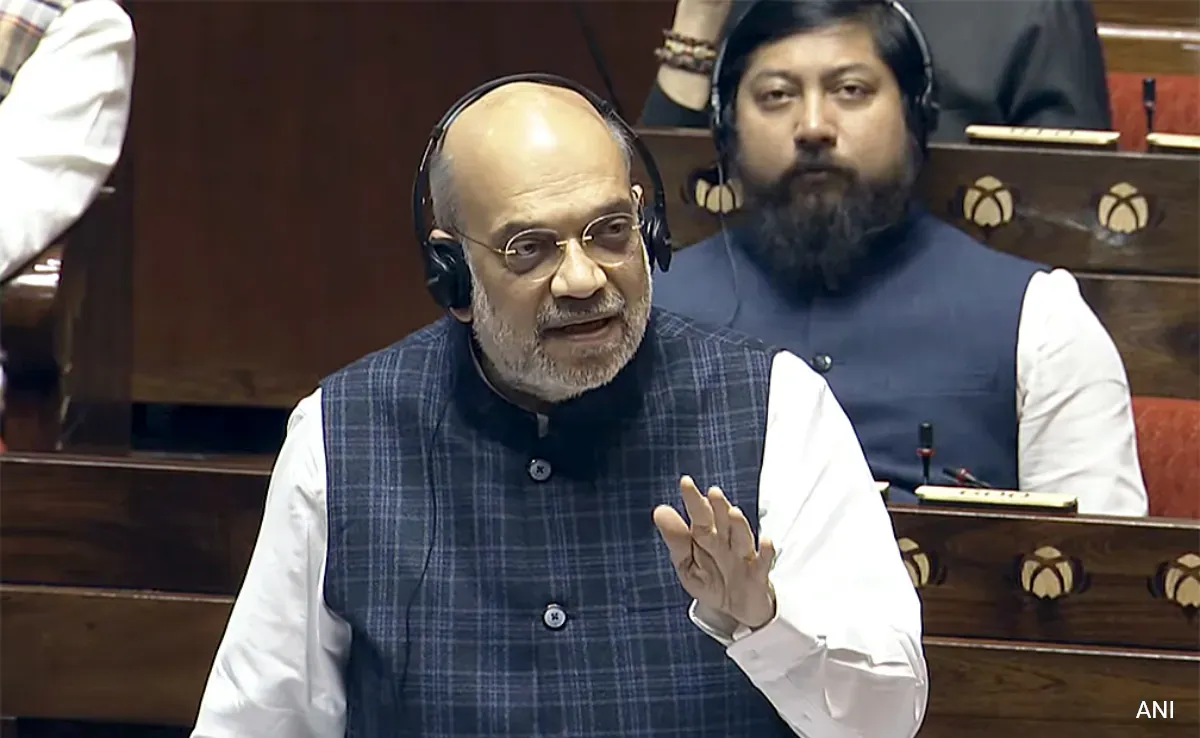
Responding to query, Union Minister for Home and Cooperation, Amit Shah in a written reply in Rajya Sabha, said “As per information received from RBI and NABARD, the present status of cooperative institutions in Odisha is 9 Urban Cooperative Banks (UCBs), 18 Rural Cooperative Banks (1 State Cooperative Bank and 17 District Central Cooperative Banks), and 4,287 Primary Agricultural Credit Societies (PACS).”
Shah said that the financial position of Cooperative Banks is reviewed regularly by State Government, RBI and NABARD. NABARD conducts statutory inspections of Odisha State Cooperative Bank (OSCB) and DCCBs.
“None of the Cooperative Banks in the State are under liquidation. About 725 cooperative societies are under liquidation with dues of Rs 11.08 crore to banks, and their annual audit is conducted by the Directorate of Cooperative Audit, Odisha,” said Shah.
Assessment of NPA levels and financial irregularities is undertaken during statutory inspections of the Odisha State Cooperative Bank (OSCB) and all District Central Cooperative Banks (DCCBs) and their performance is also reviewed periodically in High Level Committee meetings. The Gross NPA ratio of OSCB declined from 1.08% as on 31.03.2024 to 0.87% as on 31.03.2025, while the cumulative Gross NPA of all 17 DCCBs declined from 7.33% to 7.18% during the same period, said Union Minister Shah.
“As on 31.03.2025, 7 DCCBs have Gross NPAs up to 5%, 8 DCCBs have Gross NPAs between 5% and 10%, and 2 DCCBs have Gross NPAs between 10% and 15%,” added Shah.