
.webp)

Central bank continues neutral stance to support domestic economic growth
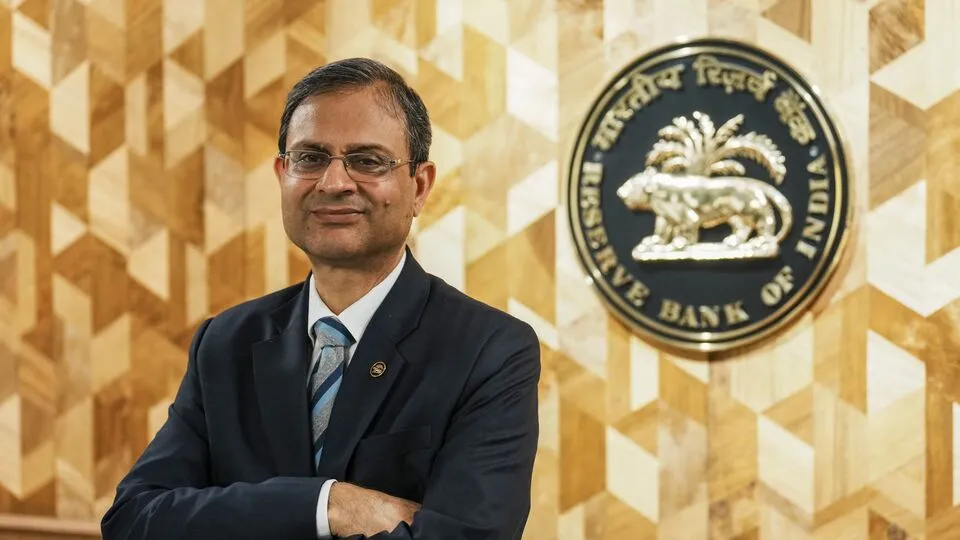
Home loan borrowers and industry leaders can breathe a sigh of relief as the Reserve Bank of India (RBI) has decided not to tinker with the current interest rates. On Friday, RBI Governor Sanjay Malhotra announced that the Monetary Policy Committee (MPC) voted unanimously to keep the policy repo rate unchanged at 5.25 per cent.
Along with holding the key lending rate, the central bank has decided to maintain a "neutral" policy stance. This decision comes after a thorough review of the current macroeconomic landscape and future economic predictions.
Key Rates Remain Stable
With the repo rate staying put, other associated rates remain unaffected. The Standing Deposit Facility (SDF) rate stands at 5 per cent, while both the Marginal Standing Facility (MSF) rate and the Bank Rate continue at 5.5 per cent. This stability is expected to keep EMIs steady for customers across the country, including those seeking housing finance in Odisha.
Balancing Global and Domestic Factors
Governor Malhotra highlighted that while the domestic outlook is sunny, international waters are getting choppier. "Since the last policy meeting, external headwinds have intensified," Malhotra noted. However, he pointed out that recent trade deals look promising for the economy.
The decision reflects a careful balancing act. Domestic growth and inflation trends are currently supportive, but the MPC remains vigilant regarding global shifts. The RBI noted a significant divergence in global monetary policies in February 2026. While the U.S. Federal Reserve and the Bank of England kept their rates unchanged following cuts in 2025, the Reserve Bank of Australia surprised markets by hiking rates for the first time in two years.
Inflation Under Control
A major factor allowing the RBI to hold rates is the comfortable inflation data. Figures from the Ministry of Statistics and Programme Implementation reveal that CPI-based inflation for December 2025 dropped to a provisional 1.33 per cent compared to the previous year.
This low inflation reading gives policymakers the breathing room to focus on growth while keeping a close watch on potential risks arising from global market fluctuations. The RBI reiterated that future actions will depend strictly on incoming data to ensure price stability.
With Agency Inputs
.webp)