
.webp)


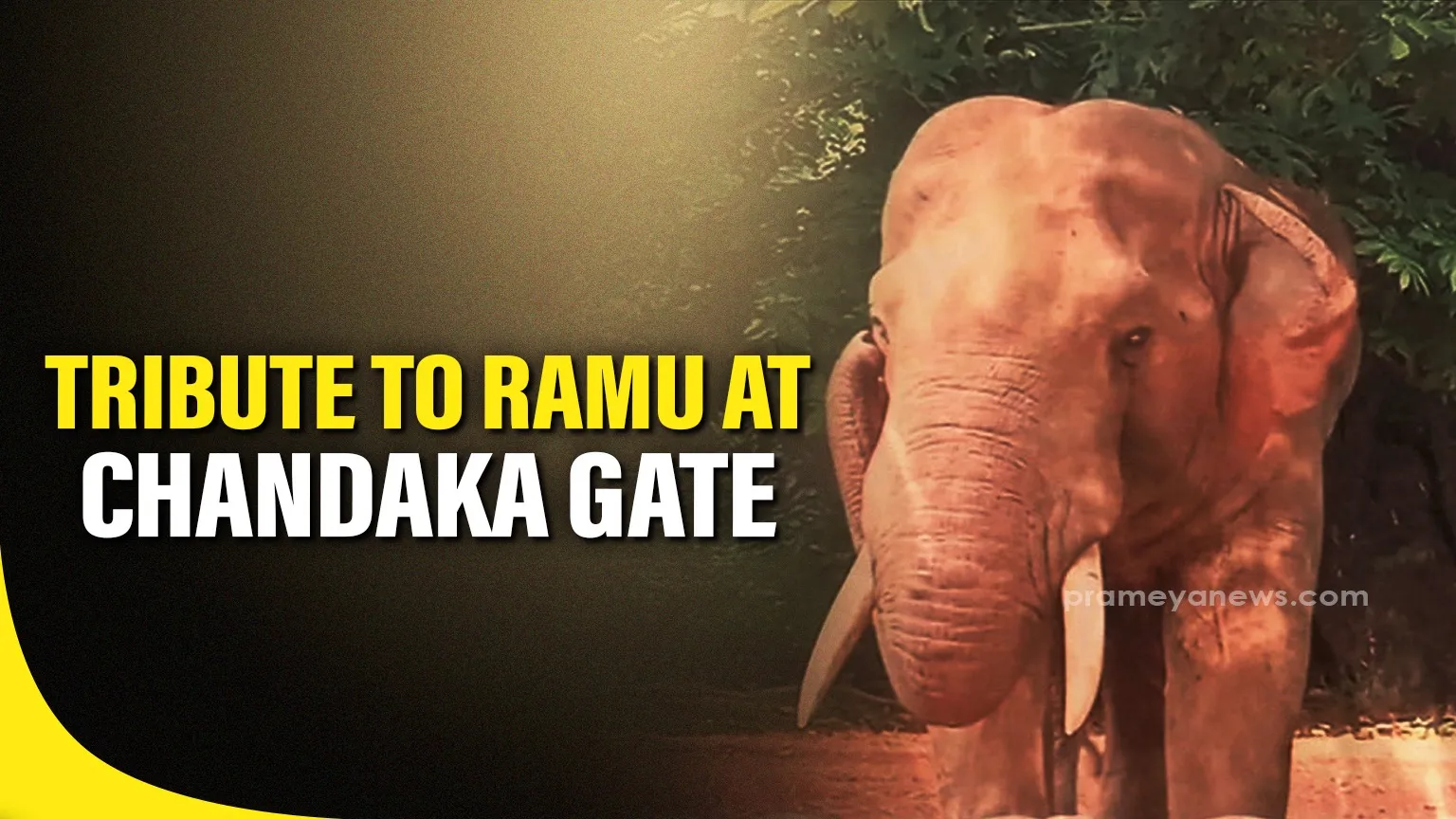
Bhubaneswar, Dec 5: In a development that will delight wildlife enthusiasts, the skeleton of the tusker Ramu will soon be preserved and put on public display at the main entrance of the Chandaka–Dampada Wildlife Sanctuary at Godibari. According to Forest Department officials, all necessary procedures have been completed, and noted bone preservation expert Dr. Shiba Prasad Parida—popularly known as the “Skeleton Man of India”—will assist the Chandaka DFO in the conservation work.
Ramu, a well-known elephant born in the Bharatpur region of the sanctuary around 35 years ago, frequently roamed areas like Andharua, Malim Thakurani Road, Malipada, Shampur, Gothapatna and parts of the Khordha Division. Though he often strayed into farmlands due to food scarcity in the forest, he never harmed villagers, earning the affection of locals and forest staff alike.
The Forest Department had attempted several times to tranquilize Ramu and fit him with a radio collar, eventually planning to train him at the elephant camp inside the sanctuary for patrolling and tourism activities. However, before the plan could be implemented, Ramu died of electrocution near Chunakholi on August 19 last year. His death deeply saddened local residents, who even performed pinda daan (final rites) for the beloved elephant. Wildlife activists, including Snake Helpline general secretary Subhendu Mallik, had since appealed to the Forest Department to preserve his skeleton.
Odisha already houses a scientifically preserved elephant skeleton at the Regional Museum of Natural History in Acharya Vihar—the remains of the tusker Shankar. Shankar had been injured by gunfire and died near Mendhashal, after which his skeleton was displayed to the public on August 10, 2006.
Ramu’s skeleton is now set to become another significant addition, offering visitors a closer look at the region’s elephant heritage.
.webp)