
.webp)


By Afreen Firdaus
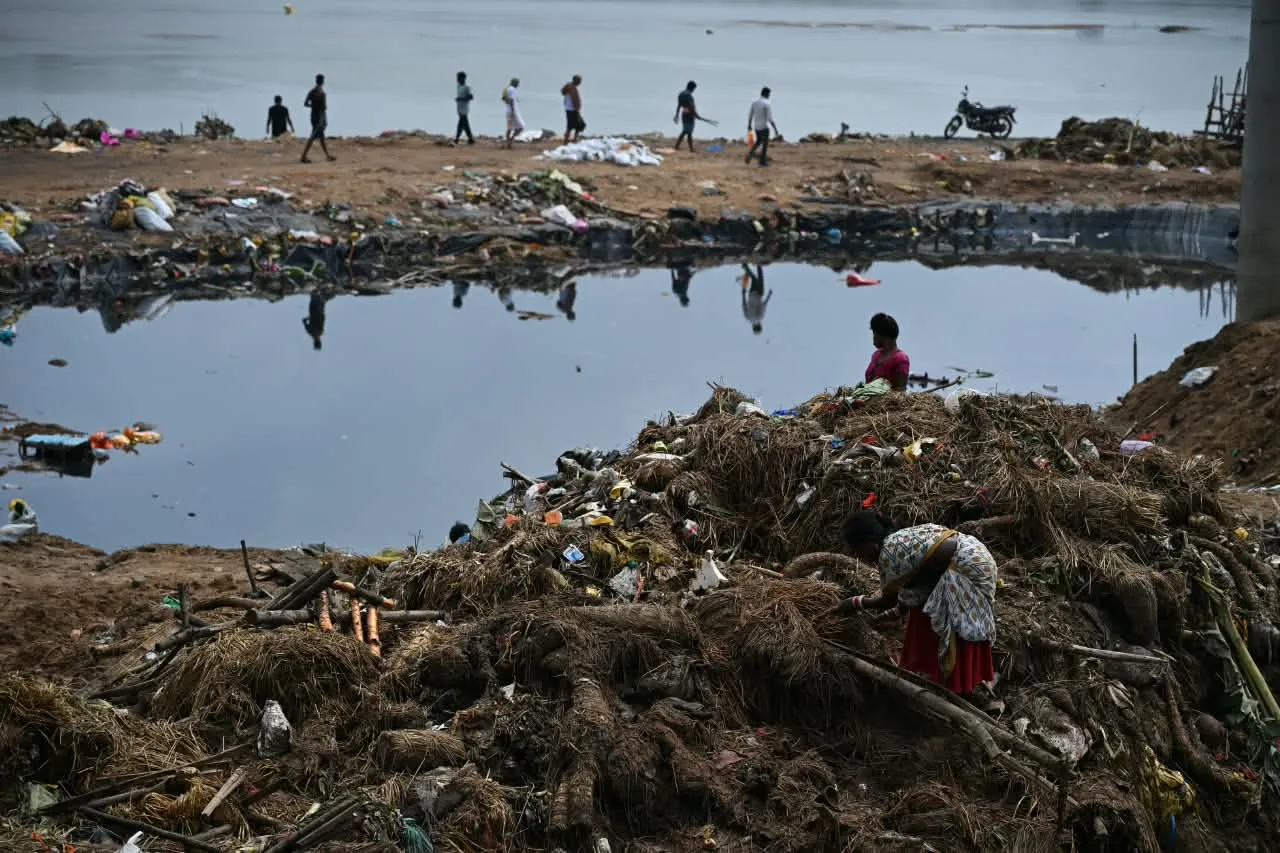
Bhubaneswar: As the festive lights fade and pandals are dismantled, Durga Puja leaves behind a less-celebrated legacy: heaps of discarded and decayed flowers, leftover food, plastic packaging, thermocol and bamboo structures along with other decorative items. Efficient waste collection, segregation and disposal will be crucial to preventing a post-Puja sanitation crisis in Bhubaneswar and Cuttack.
The Bhubaneswar Municipal Corporation (BMC) has deployed around 800 additional sanitation workers to manage waste around approximately 190 pandals this year. Additional Commissioner Kailash Chandra Dash said, “Each major pandal will have two sanitary workers stationed for continuous cleaning, while smaller pandals will have one worker each.” The civic body has directed Puja committees to install adequate dustbins, while food stalls must maintain separate bins for their waste.
Single-use plastics have been prohibited, and organisers have been warned against burning waste. Used flowers and disposable plates will be collected by designated vehicles and transported to processing facilities.
BMC’s zero-waste litter policy envisages regular collection, with dry and wet waste transported separately to Material Recovery Facilities (MRFs) and Micro-Composting Centres (MCCs). Last year, the civic body cleared more than 200 tonnes of waste from Puja pandals in a single day, in addition to the city's routine waste load. Officials reported that the cleaning was completed only by evening.
Also Read: 70-year-old tradition lives on: Puppets that tell Cuttack’s story
However, Cuttack’s experience highlights the gap between sanitation plans and their implementation. Residents complained of unattended garbage and foul smells near Mani Sahu Chhak and other localities, with waste reportedly remaining uncleared for several days.
“Last year, garbage remained on the roadside for days after Puja, and the foul smell made it difficult for residents to move around comfortably. We hope the authorities clear everything promptly this time,” said Swati Dasgupta, a resident of Rani Haat.
The challenge extends beyond everyday litter. Following idol immersion, BMC uses temporary ponds near the Kuakhai and Daya rivers and Tankapani Bridge. Officials have said that solid remnants are removed and taken to designated disposal sites, while liquid waste is transported to sewage treatment plants.
However, the real test lies not merely in deploying additional workers during the festival but in ensuring that waste is segregated at source, collected on schedule and processed safely afterwards. Flowers, food waste, plastics and dismantled pandals require different handling methods, and mixing them can undermine recovery and recycling efforts.
Consistent monitoring by civic officials and compliance by Puja committees will be crucial to ensuring that the festivities do not leave behind a trail of garbage.
.webp)