

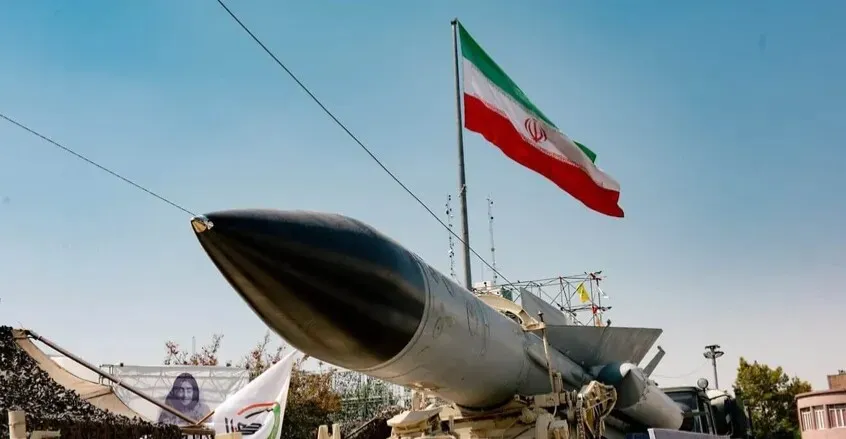
Iran ramps up regional strikes targeting major military and data hubs
Ongoing military actions from Tehran have reached a new peak as the Islamic Revolutionary Guard Corps (IRGC) initiated the nineteenth phase of its current campaign. Labeled asOperation True Promise 4, this combined effort utilizes a sophisticated mix of ballistic missiles and explosive drones to strike what Iranian officials call "American-Zionist" targets. This latest escalation reportedly marks the fifth consecutive day of heavy aerial bombardment across the region.
Iranian military reports claim that the recent wave of strikes successfully dismantled over seven high-tech radar systems. These units, belonging to both the United States and Israel, were allegedly "blinded" by the precision of the incoming projectiles. According to the IRGC, their missiles managed to navigate through the advanced THAAD defense shield, striking sensitive areas within Tel Aviv, including the defense ministry and Ben Gurion Airport.
Beyond land-based targets, the scope of the mission has expanded to include maritime assets. Statements from the IRGC suggest that the USS Abraham Lincoln aircraft carrier and a US destroyer in the Indian Ocean were targeted. Furthermore, a significant strike was directed at a massive Amazon data center located in Bahrain. Tehran justifies this move by claiming the facility provides essential intelligence support for American military operations in the Middle East.
Sirens have been echoing throughout various cities as residents seek cover from the "steady and managed" rhythm of incoming fire. With hundreds of drones and missiles already deployed, the IRGC warns that the intensity of these operations will only grow in the coming days. Targeted zones now span across several nations, including Kuwait, Qatar, and Bahrain, signaling a widening theater of conflict.
With Agency Inputs