



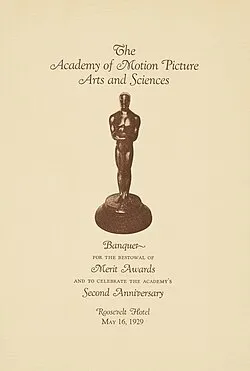
History changed when Hollywood handed out its first Oscar trophies
Hollywood legendary award tradition began with a remarkably brief 15-minute dinner presentation on May 16, 1929. Held inside the Blossom Room at the Hollywood Roosevelt Hotel in Los Angeles, this private banquet gathered just 270 industry insiders. Organised by the Academy of Motion Picture Arts and Sciences, the gathering carried none of the modern suspense that defines today's global media events.
Fast Facts from the 1929 Banquet
Guests received gold-plated trophies designed by MGM art director Cedric Gibbons, then known officially as the Academy Award of Merit. Movie fans globally recognise this period as the twilight of silent cinema, a golden age that deeply influenced international filmmakers, including early Indian pioneers who studied these exact Hollywood structures to build their own local studios.
Big Winners of the Inaugural Night
Military epic Wings secured the Outstanding Picture trophy, remaining the sole entirely silent film to hold that distinction. Another unique top category, Unique and Artistic Picture, went to Sunrise before officials scrapped the division the following year.

Wings
Youthful talent made history when 22-year-old Janet Gaynor secured Best Actress honors for her performance across three distinct films.

Janet Gaynor
German performer Emil Jannings earned Best Actor recognition for his powerful dramatic roles. Directing honors were divided by genre, sending trophies to Frank Borzage for drama and Lewis Milestone for comedy.

Emil jannings
Strange Rules and Charlie Chaplin
Organizers banned early talking pictures from regular competition to maintain fairness against silent projects. Instead, groundbreaking sound production The Jazz Singer received a Special Honorary Award for changing the industry forever. Cinema icon Charlie Chaplin faced a similar fate when officials withdrew his competitive nominations for The Circus, choosing instead to honour him with a standalone individual trophy.
Image Courtesy: Oscar.org and Wikipedia