

.webp)
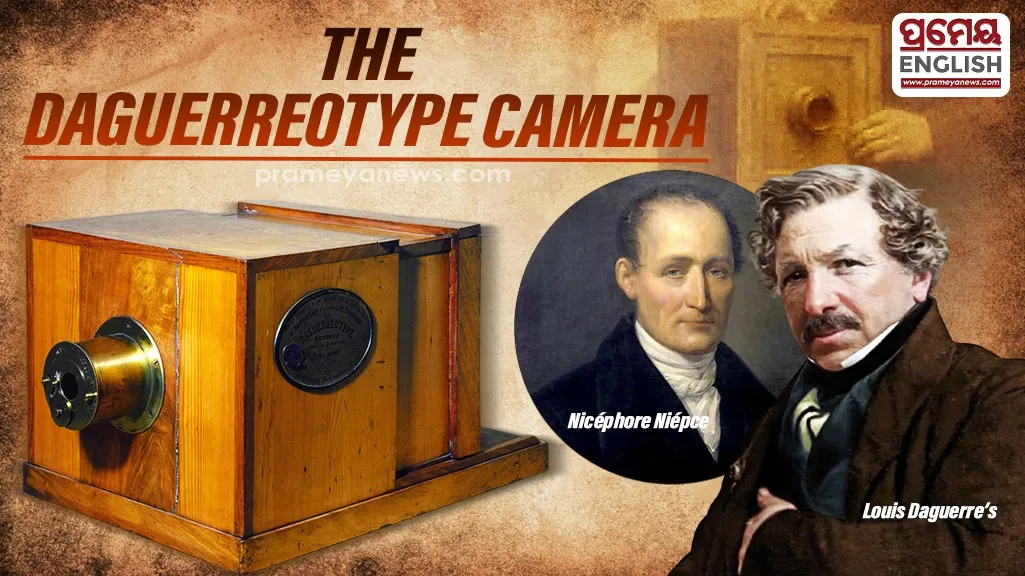
French minds behind early permanent photography
On August 19, 1839, the French government freely shared an incredible invention that changed visual history forever. Officials bought the patent for the daguerreotype process, the first highly detailed photographic system, and presented it as a gift to the global public. This specific date now marks World Photography Day, honouring the remarkable shift from hand-drawn sketches to capturing real, permanent pictures. Before this revolutionary moment, preserving a family memory required hiring expensive painters, keeping such luxuries far out of reach for ordinary families across Europe and beyond.
Brilliant Minds behind Early Pictures
Nicéphore Niépce and Louis Daguerre collaborated closely in France to develop this practical photo system. Niépce passed away in 1833 before seeing the final result. His partner Daguerre continued their vital research and eventually perfected the groundbreaking technique. Scientists at the French Academy of Sciences formally announced their successful discovery on January 9, 1839, setting the stage for the August public release.
Capturing Light on Silver Plates
Operating this early equipment involved precise chemical reactions. Photographers used a flat copper sheet topped with a thin layer of pure silver. Carefully applied chemicals turned this silver coating highly sensitive to bright light. Placing this prepared plate inside a wooden camera recorded a unique, highly detailed image of the subject. Workers then treated the exposed plate using hot mercury vapor and a basic salt bath to finalize and save the picture permanently.
Global Impact of Free Technology
Releasing this method without financial barriers transformed everyday society completely. People could suddenly afford cheap, realistic portraits to remember their loved ones. Newspapers and printed books quickly adapted, showing readers authentic scenes of current events instead of relying solely on illustrations. Giving away this technology modernised global media and established visual documentation as an essential part of human life.
.webp)