

.webp)


Global Olympic leaders officially prohibit biological males in female sports
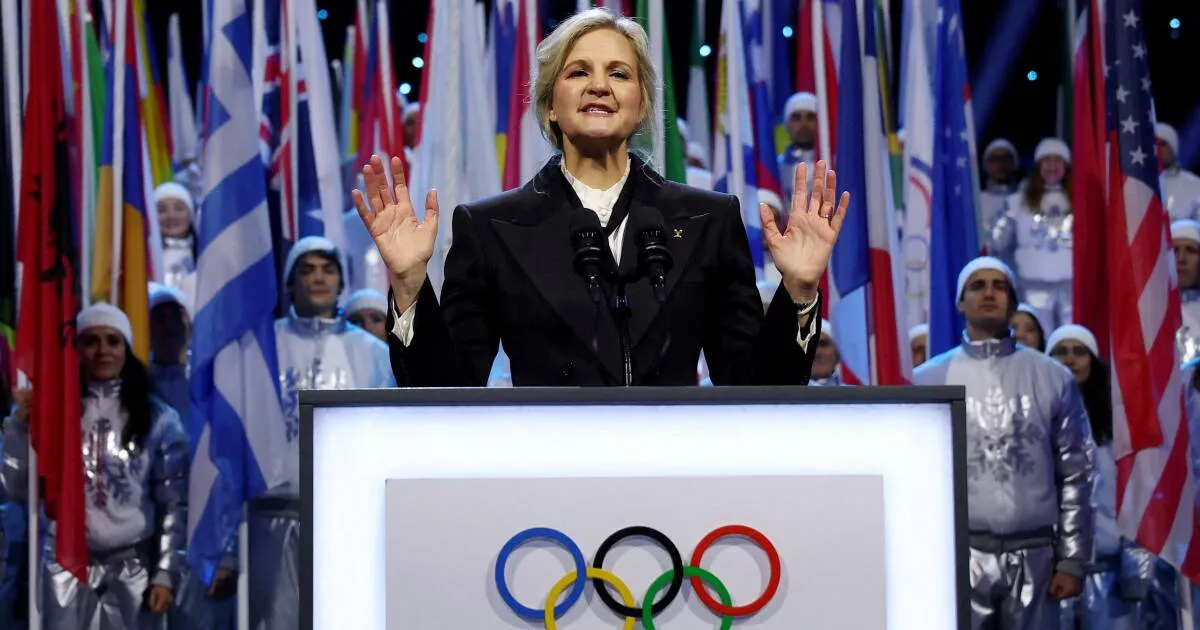
International Olympic Committee officials officially prohibited transgender women and athletes with Differences in Sex Development from participating in female sporting events, establishing strict rules starting with the 2028 Los Angeles Games. Historical gender verification in international sports dates back to the 1960s, evolving from rudimentary physical exams to highly debated hormone thresholds, and now culminating in this definitive genetic mandate. Kirsty Coventry, presiding over the global sports body, stated clearly that allowing biological males to contest female events ruins competitive fairness. She noted that relying on biological sex guarantees equal footing, especially since fractional margins often separate winners from losers.
Mandatory SRY Gene Screening Protocols
Competitors aiming to join female divisions face a compulsory, one-time genetic test moving forward. Officials will check for the presence of the SRY gene using standard medical collections like saliva, cheek swabs, or routine blood samples. According to administrators, this process represents a highly unintrusive alternative to controversial historical methods. Detecting the SRY gene provides permanent, lifelong biological proof of male sex development.
Because the genetic marker remains fixed, authorities argue it offers an objective scientific standard. Consequently, global Olympic leaders strongly urge all national athletic committees, international federations, and continental sporting bodies to enforce these updated guidelines immediately across all tiers of competition.
Past Controversies Driving Policy Updates
Intense debates over testosterone limits and biological advantages disrupted recent major athletic events. During the 2024 Paris Olympics, boxers Imane Khelif from Algeria and Lin Yu-ting from Chinese Taipei captured gold medals despite facing heavy public scrutiny. Both fighters navigated fierce backlash following claims by the International Boxing Association that they failed gender qualifications at prior world championships. Even earlier, New Zealand weightlifter Laurel Hubbard ignited global discussions in 2021 by entering the female division as a transgender competitor.
Recent working group studies commissioned by international athletic regulators confirmed that biological male traits offer inherent, irreversible advantages in strength, power, and overall physical endurance. Coventry emphasized relying heavily on specialized medical experts to carefully shape these regulations. She stressed the importance of ensuring dignity and respect for all competitors while strictly prioritizing biological sex as the fundamental baseline for sporting eligibility. Educational support and professional counseling services will actively accompany the lifelong screening requirement, helping affected athletes understand and navigate these strict new competitive boundaries.
.webp)