
.webp)


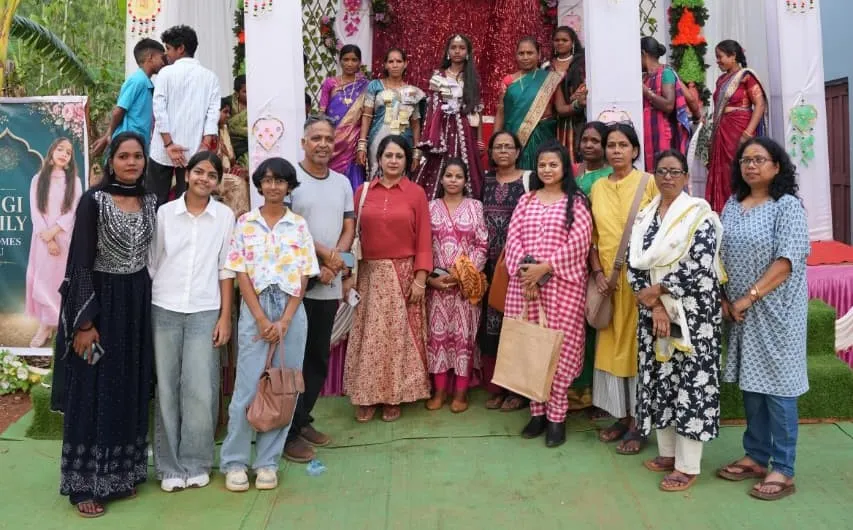
Female artists embrace indigenous lifestyle during Koraput residency
Odisha’s Koraput district is currently hosting a unique week-long immersive cultural project titled "BHUVI", drawing women creators into the heart of indigenous community life. Running from May 18 to May 24, 2026, this dedicated residency brings together female painters, filmmakers, researchers, and writers to share daily routines with tribal societies. Participants are stepping away from automated urban lifestyles to learn directly from local artisans, farmers, and healers in remote zones like the Duduma region, Kotpad, and the high-altitude fields of Deomali.


Interactive Activity at the Camp
Rooted Exchanges and Village Rhythms
Curated by Firdausi Tabassum in a collaborative effort with Desia Koraput and the Odisha Eco Tourism Foundation, the initiative rejects standard commercial tourism. Instead, it positions creators as active participants in rural household tasks and artistic traditions. Koraput holds a significant place in India’s anthropological landscape, being home to some of the country’s oldest indigenous communities who have preserved eco-centric living patterns for centuries.


Children Creative session
The daily itinerary forces an intentional slowdown. Creators began their collective experience at Guneipada Haat, observing ancient barter economies that still function effectively in the region. Lodging is centralized at DESIA Koraput, a community-led hospitality hub where tribal cooks prepare meals using organic, locally harvested crops. Early sessions merged urban and rural perspectives through collaborative village mural paintings and creative storytelling circles involving local youths.
Preserving Heritage through Practical Learning
Hands-on workshops dominate the itinerary, allowing residents to acquire traditional skills directly from master craftspeople. At Sailapada village, participants spent hours molding clay alongside traditional potters. Later, a visit to the weekly Onkadelli market allowed for direct dialogue with members of the isolated Bonda community, focusing on their intricate, historic beadwork methods. Organic textile heritage formed the core of the third day during a visit to Kotpad village. Here, artists observed the world-renowned natural dye process, where master weavers utilize roots of the Miranjodi tree to create rich, chemical-free textiles. This was complemented by a trip to Bantalaberi village, featuring evening screenings of regional parallel cinema and interactive Demsa dance celebrations.
Ecological Silence and Youth Engagement
Environmental awareness forms the backbone of the final phases as the group moved into the elevated terrain of the Deomali Hills. In Raipada village, the artists studied the endangered Kerang craft, a method of spinning wild plant fibers into resilient garments. The high valleys provided an environment for silent reflection, designed to help creators document the acoustic landscape and fading oral histories of the area.
A major pillar of the project centers on rural youth empowerment. Specialized art camps encourage village children to translate their natural surroundings into visual art, sharpening their observational talents. Rather than taking knowledge away, the visitors leave behind tangible artistic contributions, including public murals and recorded audio archives. To mark this collaboration, participants received hand-woven khadi bags featuring original motifs painted by tribal artists during the exchange, establishing a lasting bond between urban intellect and indigenous heritage.

.webp)