
Fighter jets demonstrate precise strikes and massive combat readiness
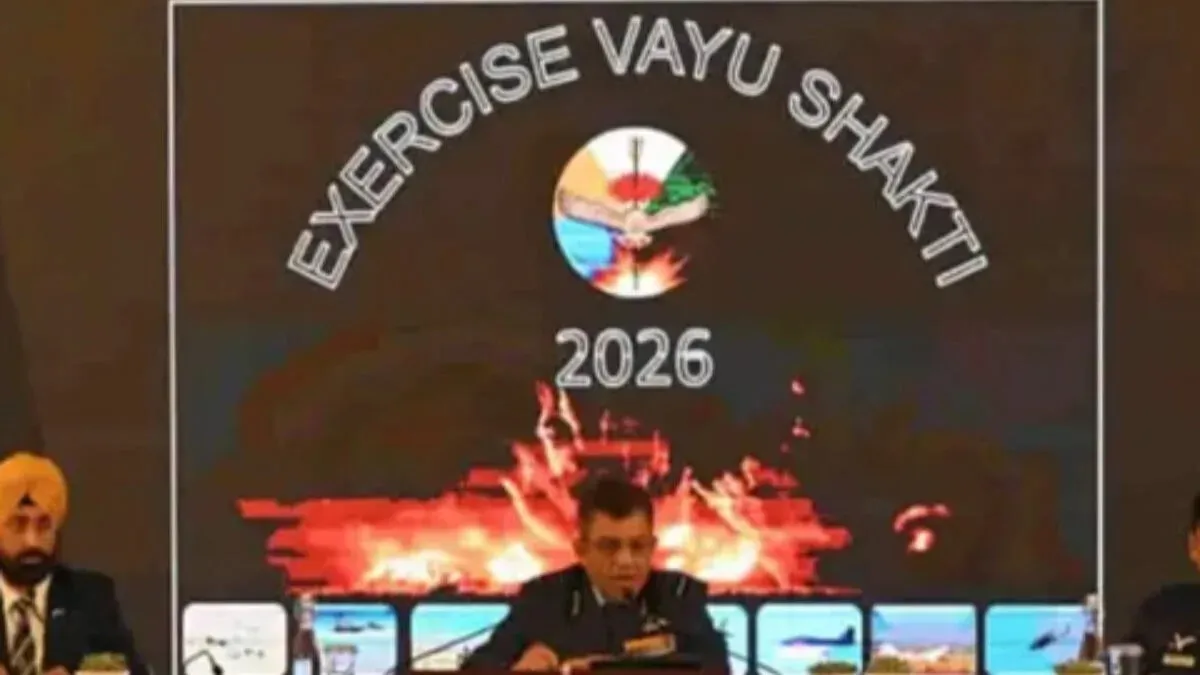
Friday witnessed a spectacular display of military might as Indian Air Force personnel showcased their incredible combat readiness at Pokhran Field Firing Range. Dignitaries including Defence Minister Rajnath Singh, Rajasthan Governor Haribhau Bagade, and Air Chief Marshal AP Singh joined President Droupadi Murmu to watch this massive event in the western Rajasthan desert. Senior officials presented a thrilling glimpse into missions originally carried out during Operation Sindoor right at the beginning of the program, making it a highlight for national defence news Odisha readers following military updates.
Multiple fighter jets, including Mirage and Jaguar aircraft, perfectly executed coordinated strikes on designated targets. Pilots recreated exact attack patterns used in real-life combat to destroy simulated enemy runways, radar sites, and terror camps. Sukhoi jets neutralized hostile air defense systems, while advanced helicopters like the Apache and Mi-17 V5 joined the integrated assault.
Indigenously built Light Combat Helicopter Prachand proved its remarkable agility by destroying a mock refueling station. Heavy-lift Chinook helicopters even transported Howitzer guns directly into operational zones. Crews successfully fired an AKASH surface-to-air missile to highlight modern air defense capabilities, proving the Indian Air Force firepower remains unmatched.
As daylight faded, crews shifted seamlessly into low-visibility missions. Su-30 and Jaguar fighters launched precision strikes against enemy bunkers and logistics hubs in complete darkness. Ground forces also joined the action, with Garud commandos and 10 PARA special forces executing a daring hostage rescue operation from a makeshift building.
Transport aircraft like the C-130J and C-295 executed swift troop reinforcements and casualty evacuations. Military medical teams deployed the Bhishm mobile hospital to treat simulated casualties, proving their readiness for rapid disaster relief. A stunning drone show wrapped up the evening, lighting up the sky with shapes of the Indian map and destroyed terror camps.
Earlier that morning, President Droupadi Murmu made history by flying in the Prachand helicopter. Wearing an olive green uniform, she sat as co-pilot during a 25-minute Prachand helicopter sortie over the desert terrain. Speaking straight from the cockpit, she praised the aircraft as a strong symbol of national self-reliance and thanked military personnel for their dedicated service.