



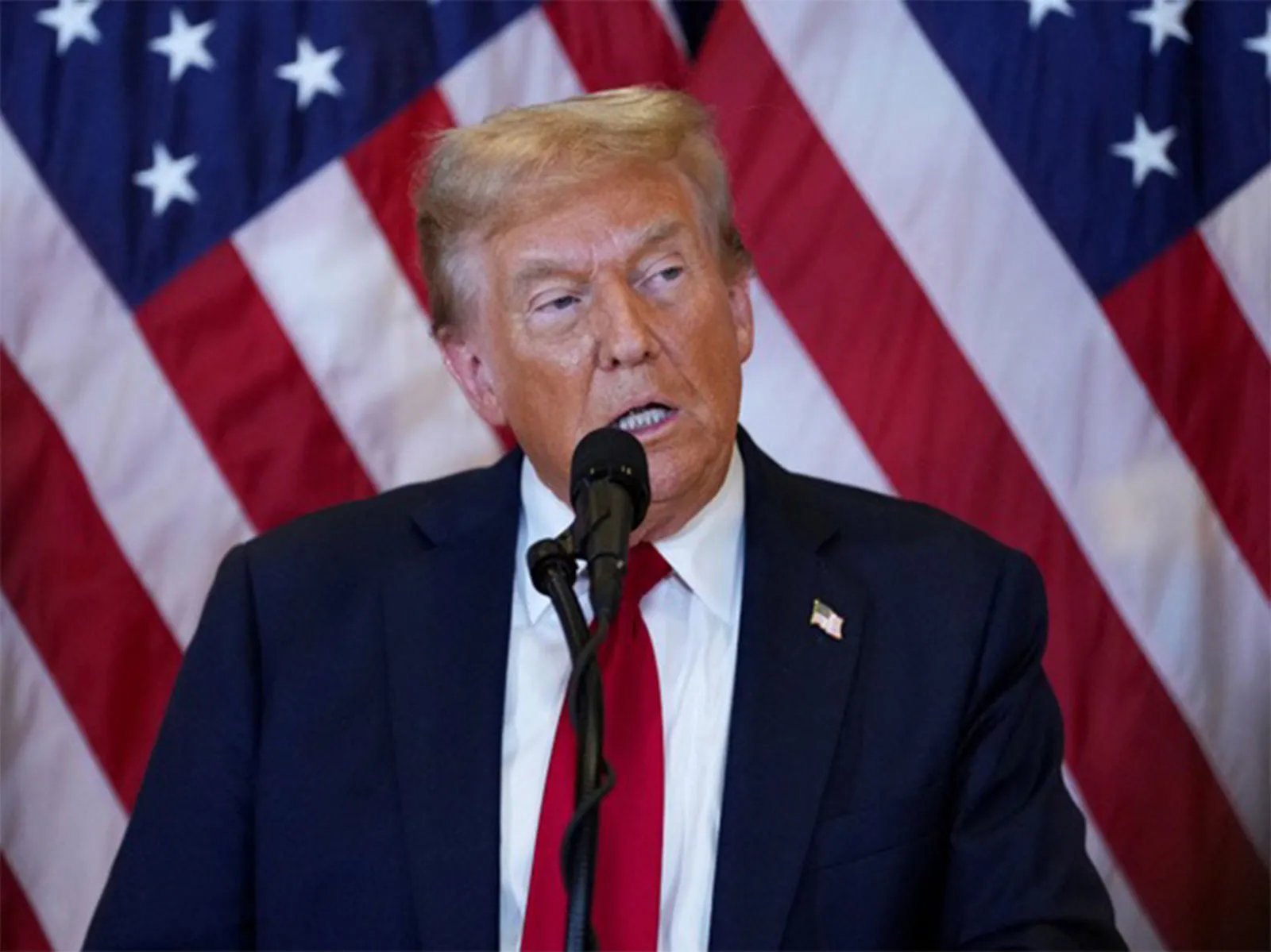
President Trump halts further attacks on Iranian energy facilities
United States leadership is stepping back from supporting additional military actions against Iranian fuel infrastructure. Following a significant Israeli assault on the South Pars gas field, Donald Trump declared his opposition to further Iran energy strikes. Reports indicate the US President feels Tehran has received a stern warning about blocking the vital Strait of Hormuz.
Tensions reached a boiling point when the Israeli Air Force bombed Iran's primary domestic gas source. This massive facility, shared heavily with neighboring nations, caught fire, forcing local emergency crews into rapid action. While the Trump administration reportedly knew about this offensive maneuver beforehand to send a message, American forces did not take a direct role in the bombing.
President Trump utilized his Truth Social network to clarify the current American stance. He noted that while Israel lashed out defensively, no further operations targeting the South Pars region will occur right now. However, he warned that his position could change rapidly if Tehran continues threatening international shipping lanes. This ongoing Israel Iran conflict heavily influences the global gas supply, holding roughly twenty percent of the world's petroleum shipments in the balance. Even local communities halfway across the globe, such as those monitoring a potential petrol price impact Odisha, might see economic fluctuations if these crucial Middle Eastern sea routes remain compromised.
Regional Retaliation Sparks Wider Security Fears
Retaliation from Tehran was swift and devastating. Misinterpreting Qatar's involvement in the initial strike, Iranian forces launched weapons at Ras Laffan Industrial City. This specific Qatari site houses the largest liquefied natural gas plant on earth, and the resulting explosions caused severe structural damage and raging fires. Qatari officials quickly condemned the bombing, labeling it a direct threat to their national sovereignty and an unjustified act of aggression.
Earlier disagreements between Washington and Jerusalem highlighted the delicate nature of these high-stakes operations. US officials previously warned Israeli leadership against targeting Tehran's oil depots without strict prior consultation. For now, a fragile, temporary halt on bombings is in place, but any future disruptions in the Gulf region could instantly reignite this volatile and dangerous international standoff.