

Odisha secures higher water allocation in landmark Mahanadi agreement.
Odisha is set to receive 33.17 million acre feet of water annually following a fresh assessment by the Joint Technical Committee. This decision marks a significant milestone in the long-standing Mahanadi Water Dispute between Odisha and Chhattisgarh. The committee submitted these finalized figures to the Mahanadi Water Disputes Tribunal during a recent hearing in New Delhi. While Odisha’s share is fixed at 33.17 MAF (million acre feet), Chhattisgarh has been allocated 28.94 MAF based on the agreed yield calculations.
New Yield Assessments
Data collection spanned nearly four decades, covering the period from 1980-81 to 2018-19. Engineers and experts from both states analyzed water availability at various locations to reach a consensus. The total average availability for the entire basin now stands at 62.36 MAF. This calculation incorporates the Western catchment and the Chilika water body, ensuring a holistic view of the river's resources.
Dependability Factors Explained
Water flow in the Mahanadi is not constant, so the tribunal uses dependability percentages to manage expectations. At 50 per cent dependability, the availability remains at 61.12 MAF. However, during leaner years with 90 per cent dependability, the volume drops to 37.25 MAF. These figures are crucial for farmers in Odisha’s coastal belt who rely on the Hirakud Dam and Delta irrigation systems during the dry season.
Bilateral Cooperation
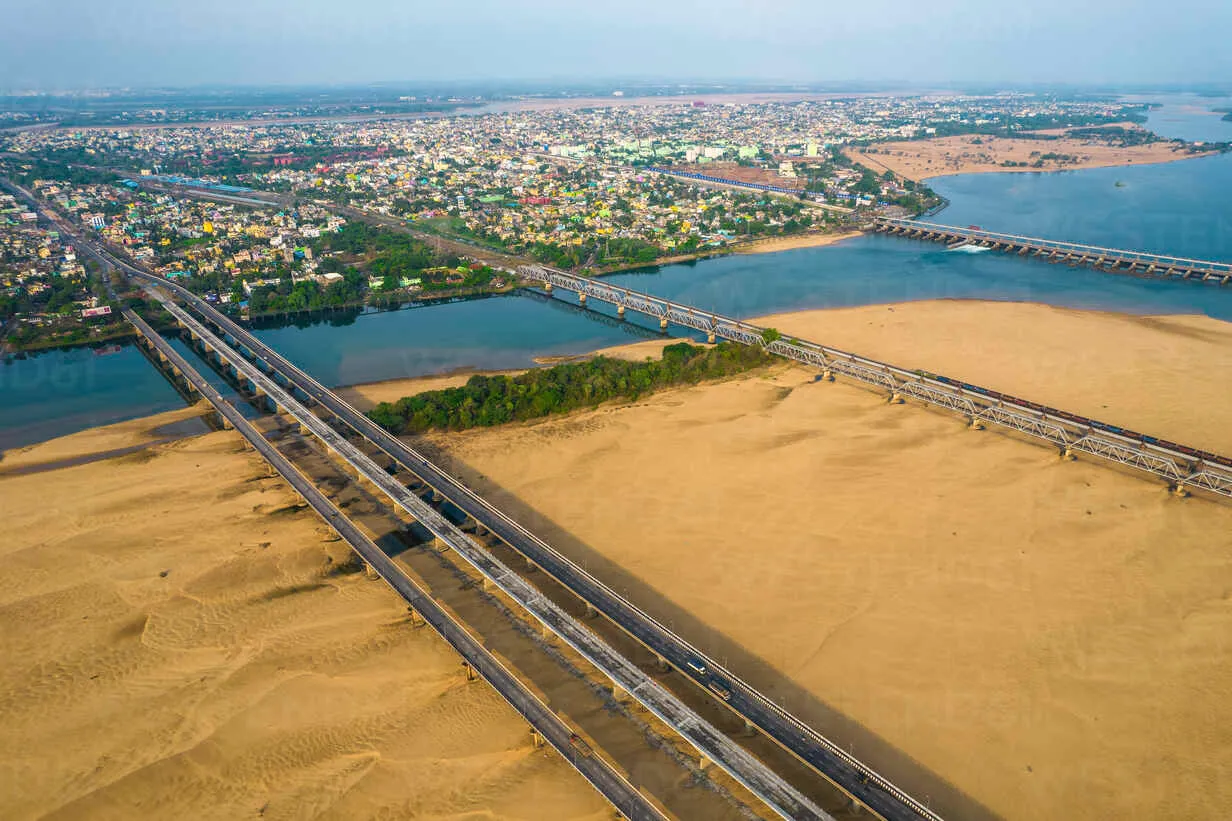
Chief Minister Mohan Charan Majhi and his Chhattisgarh counterpart Vishnu Deo Sai have both formally approved these findings. This rare political alignment suggests a desire to move past the friction that has defined inter-state relations for years. Historically, the Mahanadi has been the lifeline for Odisha's agricultural economy, and any fluctuation in upstream flow from Chhattisgarh impacts millions of livelihoods in the Mahanadi delta.
Moving Toward Resolution
Judges at the Tribunal expressed satisfaction with the progress made by the Joint Technical Committee. By agreeing on the technical data, both states have cleared the largest hurdle in the legal battle. The focus now shifts to how this water will be utilised for power generation, drinking water projects, and industrial growth without harming the ecological balance of the river.