


ଓଡ଼ିଆ | ENGLISH
ଓଡ଼ିଆ | ENGLISH

odisha-budget-2024-gopabandhu-jan-arogya-yojana-will-replace-bsky

Published By : Satya Mohapatra
odisha-budget-2024-gopabandhu-jan-arogya-yojana-will-replace-bsky

Voters decide future today amid heavy security and hope

History is in the making across the border as our neighbouring nation braces for the most significant vote in decades. Bangladesh is all set to hold its general election on Wednesday, February 12, marking a potential turning point for democracy in South Asia.

This massive democratic exercise involves over 12.77 crore eligible voters who will head to polling stations to elect representatives for 299 parliamentary seats. Election for one seat has been paused due to the sudden death of a candidate. This vote is particularly symbolic as it takes place roughly 18 months after a student-led revolution in 2024 ended the long rule of the Awami League and forced former Prime Minister Sheikh Hasina to resign.

A "Birthday" for New Bangladesh

Chief Adviser Prof Muhammad Yunus addressed the nation on the eve of the polls, urging citizens to treat election day as the "birthday of a new Bangladesh." His message highlighted a shift toward accountability and reformed governance. Alongside choosing MPs, voters will also participate in a national referendum on the July National Charter. This document proposes major constitutional changes intended to prevent future authoritarianism.

Logistics and Security Framework

Authorities have left no stone unturned regarding logistics. A vast network of 42,779 polling stations will operate from 7:30 am to 4:30 pm without any break. To ensure safety, a three-tier security system is in place.

  • Static Forces: Over 93,000 police personnel stationed directly at polling centres.
  • Mobile Patrols: Teams circling the surrounding areas.
  • Strike Teams: Rapid-response units ready for emergencies.

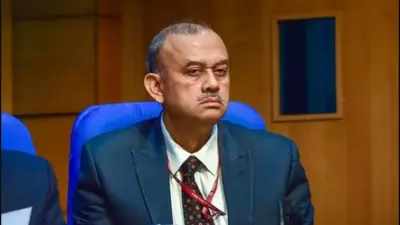
Inspector General of Police Baharul Alam confirmed that nearly 1.87 lakh police personnel are deployed. Election Commissioner Brig Gen (retd) Abul Fazal Md Sanaullah admitted there are risks from "evil forces" but expressed satisfaction with the overall law and order situation.

Political Landscape and International Watch

With the Awami League out of power, the political battleground is primarily divided between two major alliances: one led by the Bangladesh Nationalist Party (BNP) and the other by Jamaat-e-Islami. A total of 1,755 candidates from 50 parties, along with 273 independents, are contesting.

International eyes are closely watching the process. The European Union has sent its largest-ever mission, comprising over 200 observers. Chief Observer Ivars Ijabs described the pre-poll atmosphere as "very positive" and hopeful.

Minority Concerns Persist

Despite the optimism in Dhaka, fear lingers in the hearts of minority communities in certain districts. Reports from Chattogram and Rangpur indicate anxiety among Hindu voters regarding post-poll violence.

"On one side BNP, on the other side Jamaat. If the BNP loses, they blame the minorities; Jamaat does the same. State, election, and persecution have become synonymous for us," a young voter from Chattogram told local media.

Similarly, Manoranjan Shil, a farmer from Rangpur, recalled the trauma of attacks on his village last July, stating that his community is still haunted by fear. However, the situation appears calmer in districts like Rajbari and Faridpur, where minority voters reported feeling relatively secure.

Regional Impact

Results are expected to be declared by Friday, February 13. For India and specifically states like Odisha, a stable government in Dhaka is crucial for regional security and trade. As the ballot boxes open, the world waits to see if this election truly delivers the democratic reset the Bangladeshi people have demanded.

With Agency Inputs & Image Source: CNN