



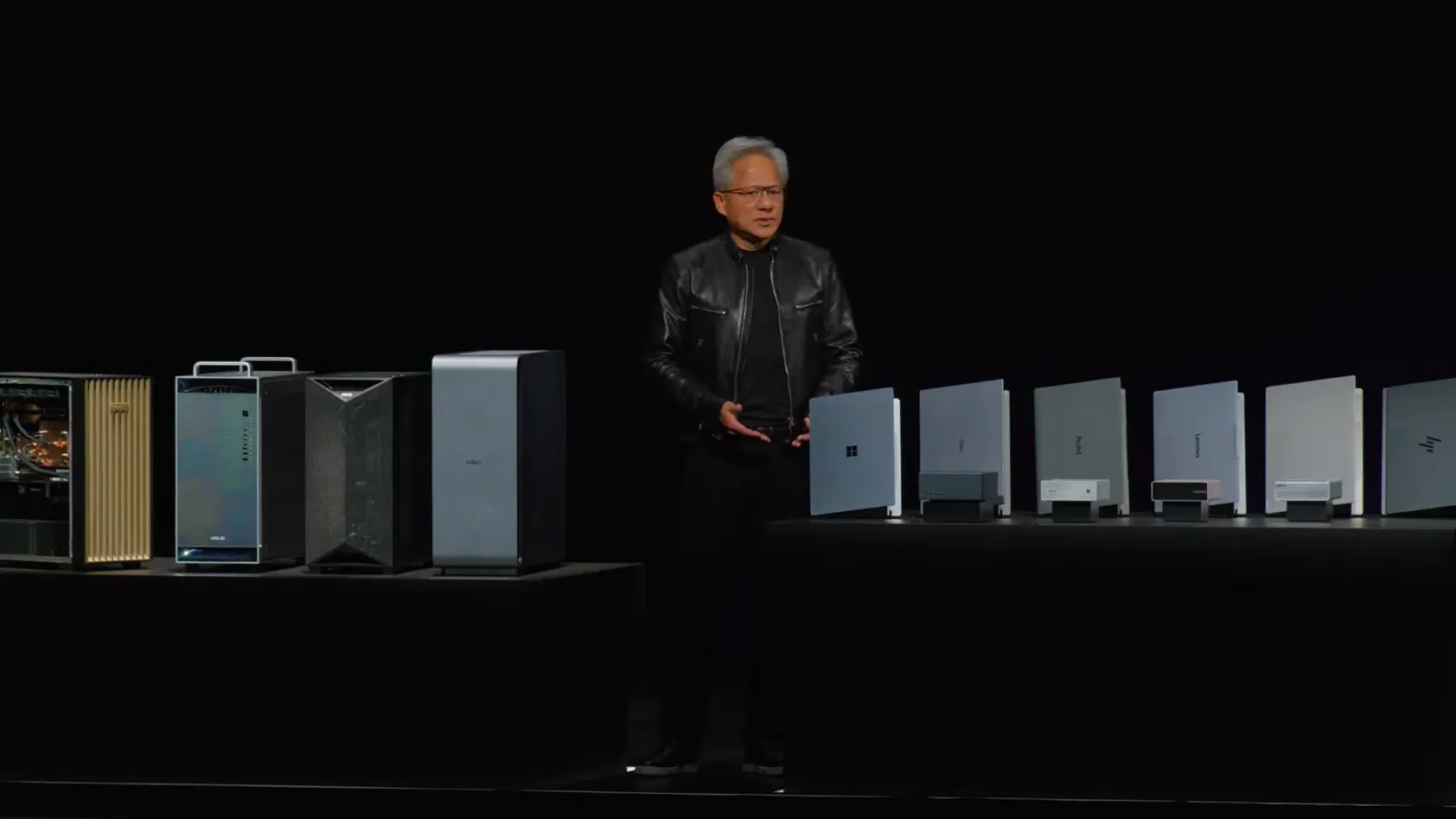
NVIDIA introduces revolutionary processor designed for personal artificial intelligence teammates.
Silicon powerhouse NVIDIA has altered the trajectory of personal computing by launching its first consumer system processor tailored for the next generation of automated digital assistance.
Historically, previous attempts to run mainstream operating systems on power-efficient mobile architectures suffered from severe software translation lags and poor graphics driver implementation. This launch signals a determined return to consumer hardware for the Santa Clara firm, which originally explored basic mobile tablet chips back in 2012 before shifting focus to cloud enterprise centers. By working directly with Microsoft engineers, the firm engineered a deeply integrated software ecosystem that bypasses previous execution bottlenecks.
Engineers combined the compute elements using high-speed NVLink interconnect paths, creating a single package capable of processing one petaflop of local calculation speed. The top-tier component configuration integrates 6,144 graphics cores alongside up to 128 gigabytes of shared memory pool infrastructure.
Power efficiency stands out as the primary feature of this hardware architecture design.
Software developers optimised the new hardware platform around the concept of independent background automation rather than simple text processing apps. Users can deploy local automated routines securely using specialized security frameworks built into the underlying system layers.
Major industrial software developers have already started updating core productivity programs to leverage these execution clusters natively. Applications like Photoshop and Premiere are undergoing complete re-engineering to deliver double the visual filter processing speeds.

NVIDIA RTX Super Chip for PCs