



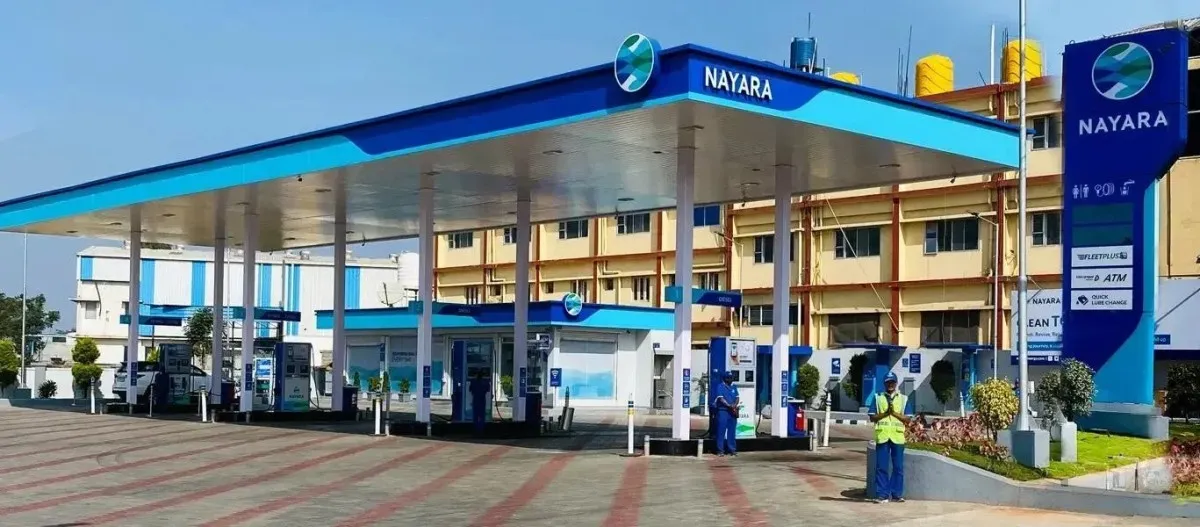
Nayara Energy raises fuel rates following surging crude costs
Nayara Energy has officially raised retail fuel rates, increasing petrol by Rs 5 per litre and diesel by Rs 3 per litre with immediate effect. India’s largest private fuel retailer implemented this sudden price adjustment to bridge the widening gap between domestic retail rates and surging international crude oil costs. Station operators across the country updated their pump prices on Saturday to reflect these revised tariffs.
📲Follow our WhatsApp Channel for the latest news, breaking updates, and important headlines. Stay connected with us for more updates!
Surging global oil costs force retail revisions
Company officials made this operational decision as private retailers face increasing financial strain from volatile global energy markets. International refined product costs have climbed sharply in recent weeks, placing severe pressure on retail margins. Unlike state-owned oil marketing companies that often absorb these losses to keep pump prices stable, private operators depend on dynamic pricing to sustain their daily retail operations. This latest increment helps Nayara Energy offset these mounting operational deficits. Maintaining a profitable retail network requires constant alignment with international benchmarks, especially when importing crude for domestic refining.
Also read: Odisha petrol-diesel price today: Check city-wise rates
Broader impact on freight and daily transport
Nayara Energy operates over 7,100 fuel stations across India, making this rate revision highly significant for regional transport networks. Drivers relying on Nayara outlets will instantly feel the pinch at the pump. The Rs 5 markup on petrol primarily affects private vehicle owners and daily commuters. Meanwhile, the Rs 3 hike on diesel directly hits the commercial transport sector. Elevated diesel rates immediately increase road freight and logistics expenses, which can eventually influence household inflation for essential goods. State-run competitors currently maintain their earlier pricing structures, creating a noticeable rate disparity at fuel stations across different operators. When private retailers increase their tariffs, commercial fleet operators often shift their bulk refueling to state-owned pumps, which can lead to localized supply pressures at government-run stations. Market analysts expect continued volatility in pump prices if crude oil imports remain expensive.