

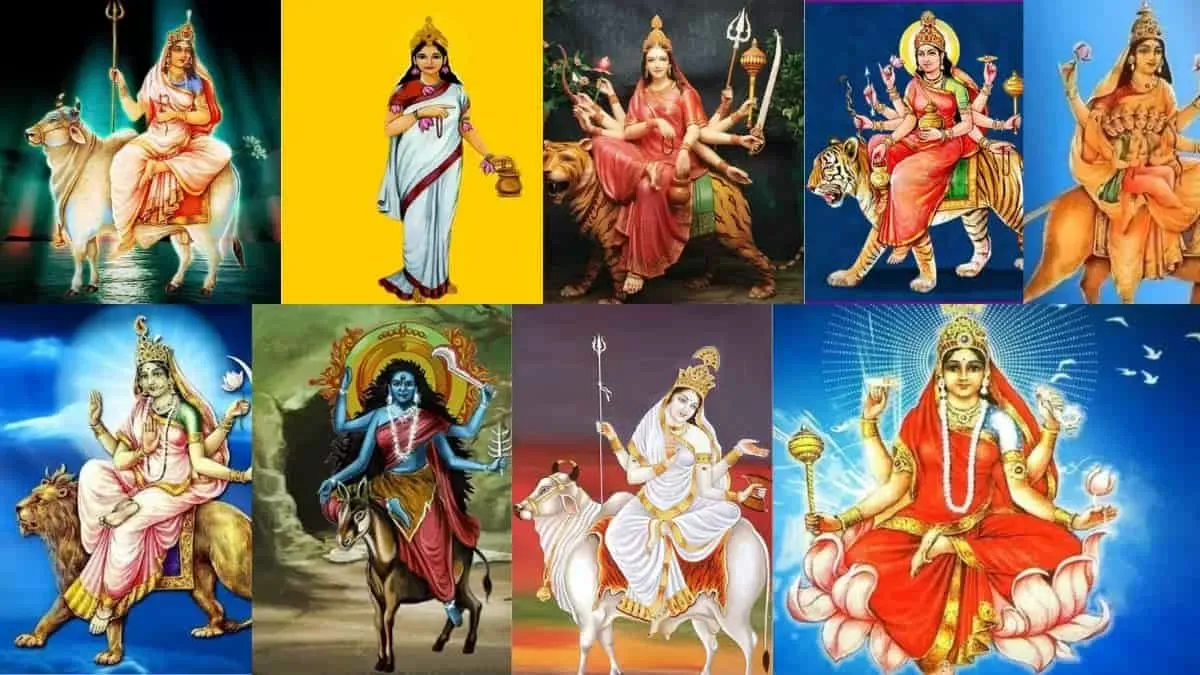
Celebrated with devotion, music, dance and vibrant traditions, Navratri is one of India’s most cherished festivals. Across nine nights, devotees worship different manifestations of Maa Durga, each associated with a distinct form of divine power and significance.
From the energetic Garba nights of Gujarat to the grandeur of Durga Puja in West Bengal and the traditional Golu celebrations of Tamil Nadu, Navratri takes different cultural forms across India. Yet, at its heart, the festival carries a common message- the triumph of good over evil and the power of Shakti, the divine feminine energy.
The word Navratri comes from the Sanskrit words Nav, meaning nine, and Ratri, meaning nights. The festival is traditionally associated with Goddess Durga’s battle against the demon Mahishasura. But what is the significance of each of the nine forms worshipped during these days? Here’s a look at Maa Durga’s nine forms, their symbolism and the traditions associated with each day of Navratri.
Also Read: Navratri 2026: Know about Shardiya Navratri, Ghatasthapana muhurat and details
Nine Days, Nine Forms of Maa Durga
Day 1 – Maa Shailputri
Maa Shailputri is worshipped on the first day of Navratri. She symbolises strength, stability and devotion and is regarded as the daughter of the Himalayas.
Day 2 – Maa Brahmacharini
The second day is dedicated to Maa Brahmacharini, who represents devotion, patience, penance and spiritual strength.
Day 3 – Maa Chandraghanta
Maa Chandraghanta is worshipped on the third day. She symbolises courage, bravery and protection and is associated with peace and fearlessness.
Day 4 – Maa Kushmanda
The fourth day honours Maa Kushmanda, who is associated with energy, creation and prosperity. She is believed to represent the cosmic source of energy.
Day 5 – Maa Skandamata
Maa Skandamata, the fifth form of Goddess Durga, represents motherhood, compassion and protection. She is depicted carrying Lord Kartikeya.
Day 6 – Maa Katyayani
The sixth day is dedicated to Maa Katyayani, a powerful form of Durga associated with courage, strength and the destruction of evil.
Day 7 – Maa Kalaratri
Maa Kalaratri is worshipped on the seventh day. Considered a fierce form of Goddess Durga, she symbolises the destruction of darkness, fear and negative forces.
Day 8 – Maa Mahagauri
The eighth day is dedicated to Maa Mahagauri, who represents purity, peace and spiritual calm. Devotees seek her blessings for prosperity and well-being.
Day 9 – Maa Siddhidatri
Maa Siddhidatri is worshipped on the ninth and final day of Navratri. She is associated with wisdom, spiritual accomplishment and divine blessings.
Navratri Beyond Worship
Navratri is more than nine nights of prayers and rituals. Across India, the festival brings together communities through Garba, Dandiya, Durga Puja, cultural programmes, traditional music and devotional celebrations.
The festival reflects India’s diverse cultural traditions while carrying a common message of the victory of righteousness over evil. For devotees, the nine forms of Goddess Durga represent different aspects of strength, courage, devotion, compassion, wisdom and spiritual power.
As Navratri brings families and communities together, it also provides an opportunity to celebrate India’s rich religious and cultural heritage.