
.webp)
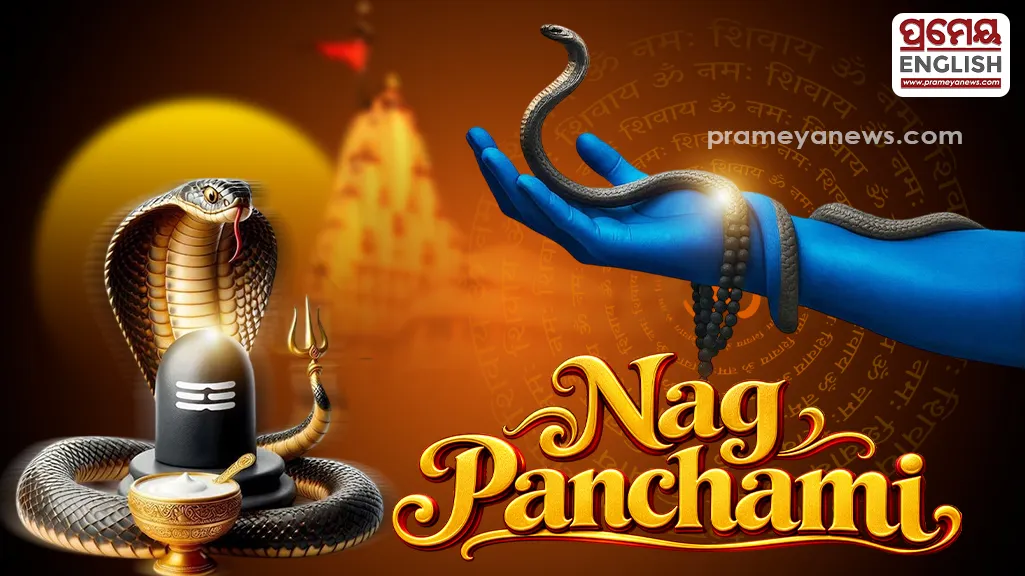
Bhubaneswar, Aug 17: Nag Panchami is being celebrated across India today, Monday, August 17, 2026, during the holy month of Shravan. This year, the festival carries added significance as it coincides with the third Shravan Somwar, bringing together the worship of Nag Devta and Lord Shiva on the same day.
Nag Panchami is traditionally observed on the Shukla Paksha Panchami of the Shravan month. Devotees worship serpent deities and seek blessings for family welfare, prosperity, protection and spiritual well-being.
When is Nag Panchami 2026?
According to panchang-based timings cited in multiple reports, the Panchami Tithi began on August 16 at around 4:51 pm and ends on August 17 at about 5 pm. Therefore, Nag Panchami is being observed on August 17 this year.
The main puja window is reported to be from around 5:51 am to 8:29 am on August 17. Ritual timings can vary depending on location and the local panchang.
Why is Nag Panchami considered important?
In Hindu tradition, serpents hold a sacred place and are closely associated with several major deities.
Lord Shiva is traditionally depicted with a serpent around his neck, while Shesha Nag is described in Hindu mythology as the divine serpent associated with Lord Vishnu. Vasuki also has an important role in the story of the churning of the ocean.
According to religious belief, worshipping Nag Devta on Nag Panchami is an expression of reverence towards the serpent deities and a prayer for protection, peace and prosperity.
Why is this year’s festival extra special?
The coincidence of Nag Panchami and the third Shravan Monday has given this year's observance additional religious significance for devotees of Lord Shiva.
Shravan is considered an especially important month for Shiva worship. With Nag Panchami falling on a Monday this year, devotees are observing prayers dedicated to both Mahadev and Nag Devta on the same day.
Many devotees believe this combination provides an especially meaningful occasion for prayer and spiritual observance.
How is Nag Panchami Puja performed?
Traditional worship generally begins with prayers to Lord Shiva. Devotees may first perform Jalabhishek of the Shiva Linga and offer Bilva leaves before beginning Nag Devta worship.
A serpent idol, image or symbolic representation may be offered:
Turmeric and roli
Akshat and flowers
Milk and traditional offerings
Sweets such as puffed rice and batasha
In some traditions, a symbolic serpent design is made near the entrance of the house using cow dung, geru or clay, followed by prayers and the lighting of incense and lamps.
Customs vary from region to region, so devotees generally follow the practices prescribed by their family tradition and local temple.
Nag Panchami's connection with Lord Shiva is particularly strong because the serpent is one of the most recognisable symbols associated with Shiva.
The festival also recalls the important place of serpents in Hindu mythology. Stories involving Shesha and Vasuki, among others, have helped establish the serpent as a powerful spiritual symbol in Hindu tradition.
What About Snake-Related Dreams and Traditional Remedies?
Some religious and astrological traditions associate recurring snake dreams or fear of snakes with spiritual concerns and prescribe symbolic remedies.
One such traditional practice mentioned in popular religious guidance involves worshipping silver serpent figures along with a Swastika, offering milk and Bilva leaves and chanting “Om Nagendraharaya Namah.”
These are matters of faith and tradition rather than scientifically established treatments. People following such practices generally do so as part of their personal religious beliefs.
Nag Panchami is not simply about serpent worship. For devotees, it is a day to express gratitude towards nature, reverence for living beings and devotion to the divine.
In 2026, the festival's coincidence with the third Shravan Monday has made August 17 especially significant for Shiva devotees, as temples and households across the country observe prayers to Nag Devta and Mahadev.
On this auspicious day, the ancient bond between Shiva worship, serpent traditions and the spiritual significance of Shravan comes together in one of Hinduism's most distinctive festivals.
.webp)