


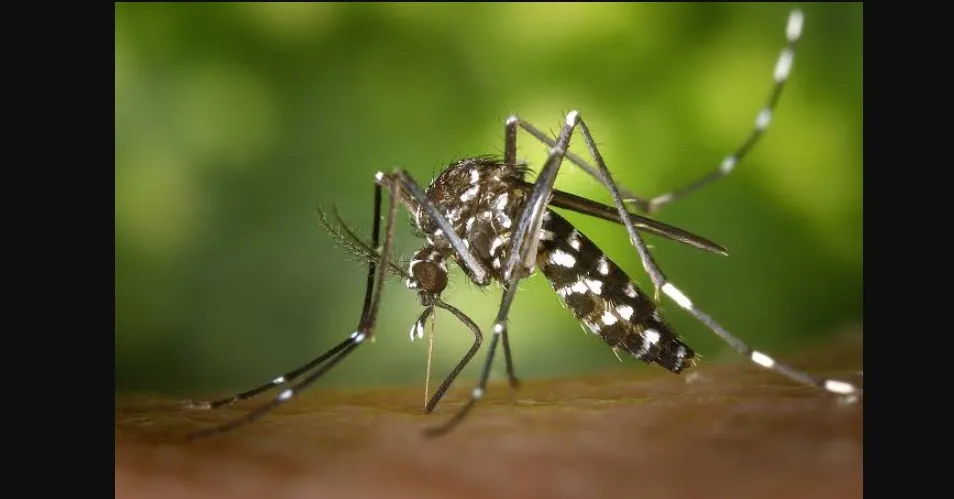
Bhubaneswar, July 30: Stagnant rainwater across several parts of Bhubaneswar has triggered a sharp rise in mosquito breeding, raising concerns over public health as residents complain of worsening mosquito infestations and inadequate civic response.
Areas including Master Canteen Bus Stand, Unit-3 Malisahi, and Unit-1 Market are among the worst affected. Waterlogging near the Master Canteen Bus Stand has become a breeding ground for mosquitoes, with residents reporting that swarms make it difficult to remain outdoors after dusk. Similar conditions prevail in Unit-3 Malisahi, where rainwater has failed to drain, while Unit-1 Market is littered with rotting vegetables and other waste that has further aggravated the situation. Water accumulated in discarded coconut shells, tyres, and other containers has also created ideal breeding sites.
Residents allege that despite the growing mosquito menace, the Bhubaneswar Municipal Corporation (BMC) has failed to take effective preventive measures. They claim the mosquito population has increased significantly since the onset of the monsoon, with a recent survey across three municipal zones indicating that the mosquito density index has crossed 55.
Official data shows that Bhubaneswar has reported 13 dengue cases so far, while unofficial estimates suggest the number has exceeded 30, with several patients receiving treatment in private hospitals. Although dengue cases remain lower than those reported during the same period over the past two years, nuisance mosquitoes have proliferated, affecting daily life in residential areas and public parks.
Bhubaneswar City Health Officer Deepak Kumar Bisoi said continuous rainfall has kept water flowing, reducing the likelihood of dengue mosquitoes breeding in clean water. However, he acknowledged that nuisance mosquitoes have increased considerably. He also noted that mosquitoes are breeding inside covered drains where anti-larval oil cannot be sprayed because of concrete slabs, allowing mosquito populations to grow unchecked.
Despite BMC's pre-monsoon commitment to intensify sanitation drives, residents say cleaning operations remain inadequate in several wards. Bush-cutting work has reportedly not been carried out in many areas of the South-East Zone due to a lack of equipment with the agency responsible, leaving overgrown vegetation that provides ideal mosquito habitats.
A senior BMC official said awareness campaigns on dengue prevention are continuing and that instructions have been issued for bush cutting and anti-larval oil application. Fogging operations, the official added, will be undertaken after the rainy season.
Residents have also questioned the deployment of mosquito fogging vehicles. Although BMC has 15 large fogging vehicles and 16 handheld fogging machines for the city's 67 wards, they claim these vehicles are rarely seen in residential localities. According to residents, two fogging vehicles are regularly deployed in VIP areas, including the residential quarters of ministers and senior bureaucrats, while many neighbourhoods remain unattended.
Adding to the concerns, a BMC employee alleged that significant mosquito breeding has been detected behind the residences of politicians, legislators and senior government officials, where discarded earthen pots collect rainwater and serve as breeding grounds for dengue mosquitoes.
Several conservancy lanes across the capital have also become mosquito hotspots due to poor maintenance. Residents of government quarters in Unit-1, Unit-2 and Unit-6 say these lanes remain overgrown with bushes and are rarely cleaned, creating favourable conditions for mosquito breeding and increasing the risk of vector-borne diseases.