


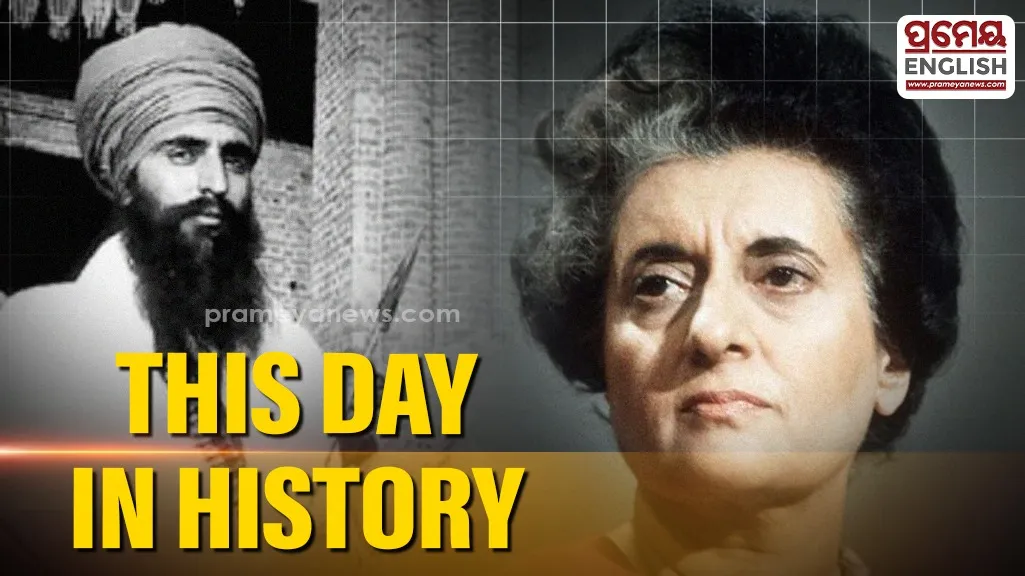
Heavy artillery shelling devastated Amritsar during Operation Blue Star
Indian army units opened intense artillery fire on the fortified Golden Temple complex in Amritsar on June 4 and June 5, 1984, signaling a violent escalation in Operation Blue Star 1984. This aggressive bombardment transformed a local standoff into a full-scale military offensive against entrenched forces.

Observe the architectural details and the peaceful gathering at the historic gateway in this archival photograph. This very entrance and the surrounding structures became the focal point of heavy military maneuvers just hours later.
Regular troops initiated a heavy barrage around 4:00 AM using 25-pounder guns and high-caliber mortars to smash defensive barriers. This relentless artillery fire aimed to weaken the opposition before ground troops entered. Military strategists focused their firepower directly on the outer structures and buildings around the Akal Takht to neutralize fortified pillboxes built by the defenders. Low-flying surveillance helicopters hovered above the sacred grounds, helping commanders locate specific gun placements set up by General Shabeg Singh, the primary military advisor to the armed resistance.
Tragically, about 10,000 innocent pilgrims found themselves trapped within the line of fire without any warning. Food and water supplies quickly dwindled for the trapped people inside the complex. A sudden 36-hour curfew enforced across Punjab the previous day completely prevented these civilians from escaping the holy site. Many families had gathered to mark the historical martyrdom anniversary of Guru Arjan Dev Ji, converting the spiritual sanctuary into an inescapable combat zone filled with crossfire. The tensions arose from years of escalating political friction and demands for regional autonomy in Punjab, which strained federal relations and led to a sharp increase in armed militancy.
Escalation Timeline Leading to Disaster
Military actions unfolded rapidly following this heavy bombardment phase. Elite commandos and infantry troops stormed the shrine between June 5 and June 6, bringing tanks and heavy armour into the holy compound. The intense combat resulted in the death of militant leader Jarnail Singh Bhindranwale and left the historic Akal Takht severely ruined. Soldiers finally finished clearing operations by June 10, establishing total authority over the area. Severe civilian casualties and structural damage to the holiest Sikh site left deep emotional wounds across generations. The trauma of those days remains a sensitive topic in modern Indian history. Widespread anger over the assault led directly to the assassination of Prime Minister Indira Gandhi by her own bodyguards later that October. This event subsequently provoked devastating anti-Sikh riots across multiple Indian cities, changing the country's political landscape forever.