



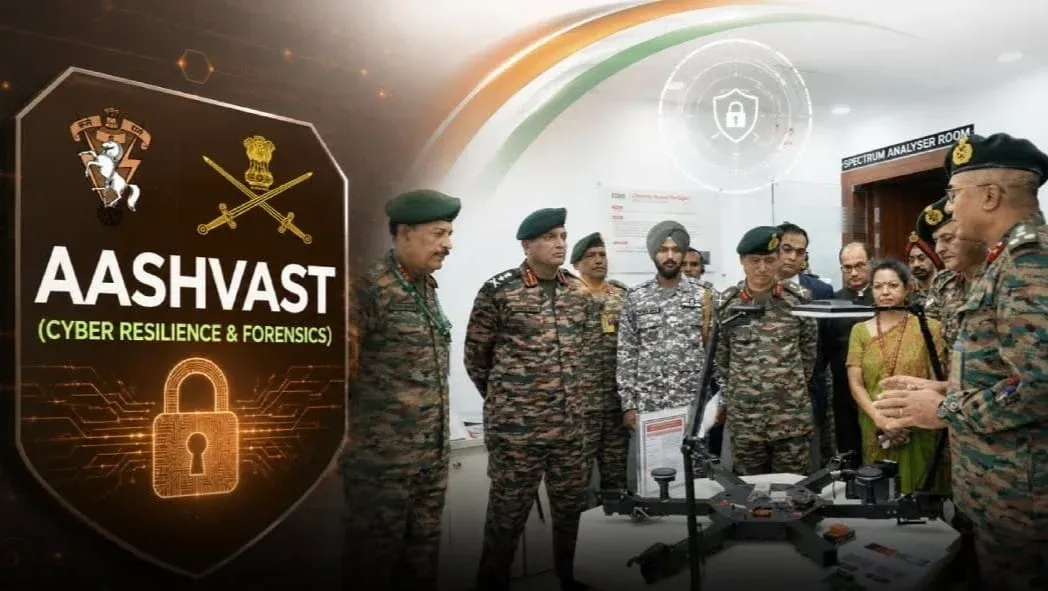
Indian defence forces launch new laboratories to eliminate drone vulnerabilities
India’s military infrastructure will soon feature six specialized AASHVAST labs designed to inspect all drones and CCTV cameras for hidden cybersecurity threats. Currently operational in Delhi, this critical initiative will expand by adding five more facilities over the next few months. Developed by QuickPay Pvt Ltd for the Directorate General of Electronics and Mechanical Engineering, this testing suite goes beyond physical hardware checks. It thoroughly examines software to detect and remove firmware-level risks before any equipment enters contested operational zones. Relying on foreign technology has historically posed severe strategic risks, particularly along India's sensitive eastern borders where unmanned aerial vehicles monitor difficult terrain.
📲Follow our WhatsApp Channel for the latest news, breaking updates, and important headlines. Stay connected with us for more updates!
Detecting hidden software threats
Military forces previously lacked a dedicated mechanism to evaluate purchased UAVs for software vulnerabilities introduced during manufacturing or upgrades. These new testing centers close that gap by identifying 14 distinct security threats. Specialists can now detect geospatial malfunctions that trigger only over specific coordinates, hidden commands engineered to terminate flights prematurely, and time-based bugs that sabotage regular operations. Beyond aerial units, upcoming CCTV camera procurements will also undergo mandatory screenings to ensure no proprietary foreign protocols remain concealed within their networks.
Defence officials actively want to stop the disguised influx of Chinese-origin active components into sensitive military hardware. Following a detailed 2025 framework submitted by the Army Design Bureau, these advanced laboratories will scan every component for remote access tools, embedded passwords, and location-based security controls. Supplying a simple invoice indicating a domestic purchase point will no longer clear a product for use. Laboratory technicians will now probe the silicon itself to verify the authentic origin of every microchip and sensor. This rigorous verification process directly shields national defense operations from potential enemy interference and data breaches.
Also Read: Gunfire erupts in Bhubaneswar; five injured in clash over Facebook live