


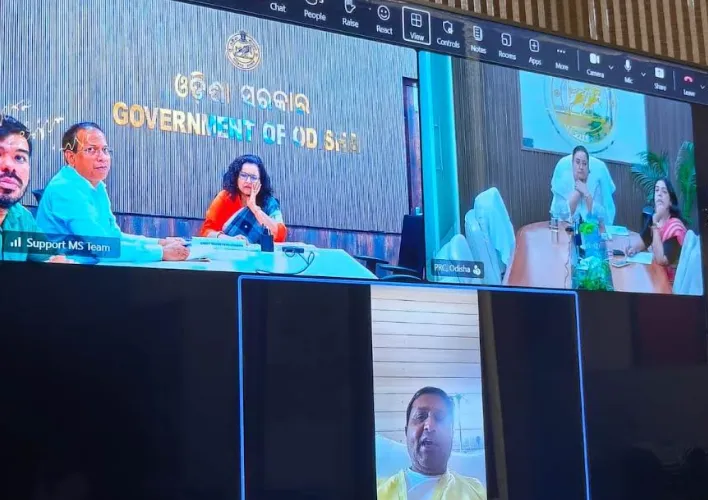
Bhubaneswar, March 11: Odisha Chief Secretary Anu Garg chaired a review meeting on Wednesday to assess the rescue operations for Odia migrants stranded in the Middle East amidst ongoing unrest.
The meeting was attended by key officials, including Vishal Gagan, Chief Residential Commissioner in New Delhi, Sucharita Shadangi, Additional Chief Residential Commissioner, Dr. Vijayaketan Upadhyay, Director of the Odisha Family Directorate, and Pritish Panda, the nominated Nodal Officer for the Middle East.
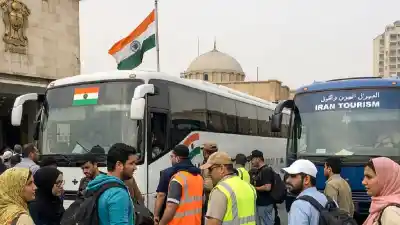
During the meeting, Gagan stressed the importance of air safety and the expansion of government-run flight services. According to the Ministry of External Affairs (MEA), by March 9, nearly 65,000 Indian expatriates had returned safely through civil aviation channels, including 35 Odia tourists stranded in Dubai. On March 7 and 8, 33 Odia tourists were flown back to Bhubaneswar through Kochi and Mumbai routes.
Dr. Upadhyay shared that about 200 calls were received from Odia migrants, who were connected to MEA's helpline and Indian embassies. Communication efforts were also made with Odia associations in Dubai, Abu Dhabi, and Bahrain.
A high-level committee, chaired by the Chief Secretary on March 2, 2026, has been formed to oversee the rescue operations. The Chief Secretary directed the appointment of three contact officers to monitor the safety of stranded Odias, ensuring regular coordination with the MEA for updates.
The Chief Secretary also emphasized prompt action from all departments involved, ensuring continued vigilance throughout the ongoing crisis.