


Science behind the Crunch
Moisture is the enemy of crispiness. When sliced potatoes hit hot oil, their natural water content evaporates. Without a barrier, the exterior remains porous and absorbs excess oil, leading to a heavy, greasy mouthfeel. Adding cornstarch creates a thin, starchy layer that dehydrates rapidly in heat. This results in a rigid, golden shell that stays firm even as the fries cool down.
Perfecting the Process
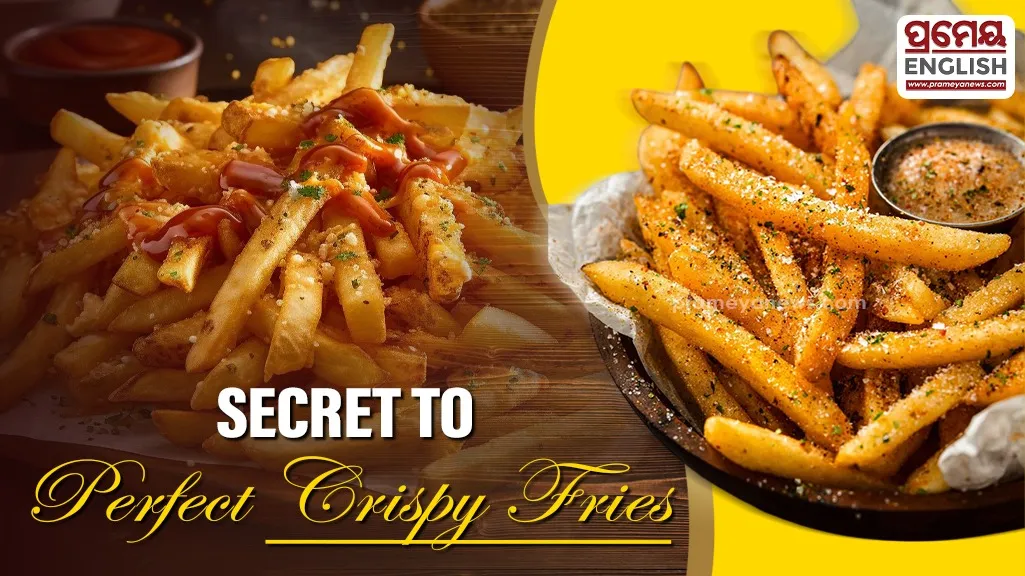
Achieving restaurant-quality results requires more than just a quick toss. First, soak sliced potatoes in cold water to remove excess surface sugar, which prevents burning. After drying them thoroughly - a vital step - toss the batons in a bowl with a tablespoon of cornstarch until lightly coated. For the ultimate texture, utilize the "double-fry" method: cook once at a lower temperature to soften the interior, then a second time at high heat to activate the starch barrier for maximum crunch.
Regional Culinary Roots
Kitchen innovations like these mirror the evolution of snack culture in regions like Odisha, where traditional deep-fried delights like Alu Chop have long utilized rice flour or gram flour coatings to maintain structural integrity against high humidity. Applying these principles to French fries bridges the gap between global favorites and local frying expertise.
Oil Temperature Matters
Maintaining a consistent oil heat of roughly 375°F (190°C) ensures the starch sets instantly. Crowding the pan drops the temperature, which invites sogginess regardless of the coating used. Small batches remain the golden rule for any aspiring home fry master.