

ଓଡ଼ିଆ | ENGLISH
ଓଡ଼ିଆ | ENGLISH

mamata-visited-abhishek-before-cbi-arrived

Published By : Satya Mohapatra
mamata-visited-abhishek-before-cbi-arrived

Dec 2025 Brings Slight Relief, Yet Annual Food Costs Rise

Global food costs remain volatile despite recent monthly decline

International food commodity markets closed 2025 on a mixed note. While December saw a slight dip in overall costs, the entire year proved more expensive for consumers globally compared to 2024. Data released by the United Nations regarding the FAO Food Price Index confirms that despite year-end easing, average price levels for 2025 remained elevated.

Tracking global market movements, the benchmark index settled at 124.3 points to close the year, marking a 0.6 percent decrease from November. However, looking at the bigger picture, the index averaged 127.2 points for the full year. This represents a significant 4.3 percent increase over the 2024 average, highlighting persistent inflationary pressures in the agricultural sector.

Cereals and Rice on the Rise

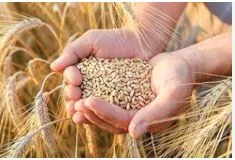
Of particular interest to consumers in India and Odisha is the movement in grain markets. Cereal prices bucked the downward trend in December. Wheat prices saw an uptick due to concerns over exports from the Black Sea region, although strong harvests in the southern hemisphere prevented a steeper spike.

More importantly, rice prices surged across all market segments. This sharp increase is attributed to robust demand, slowing harvest pressure, and specific government policies supporting prices.

Oils, Meat, and Dairy Slide

Dragging the index down in December were significant drops in other essential commodities. Vegetable oil prices hit a six-month low, driven by falling values for soy, rapeseed, and sunflower oils. Better supplies from the Americas contributed to this decline, though palm oil remained expensive due to production slowdowns in Southeast Asia.

Similarly, meat prices softened, led by cheaper poultry and bovine meat, while dairy saw a sharp decline due to seasonal supply boosts in Europe and Oceania.

Sugar Trends

Sugar ended the year with a December rebound caused by lower production in Brazil. However, on an annual basis, sugar remained relatively affordable, hitting its lowest annual level since 2020 thanks to strong production prospects in India and ample global supplies.

Data Source: FAO December 2025 Report