

Peru loses its fight for exclusive branding over traditional brandy
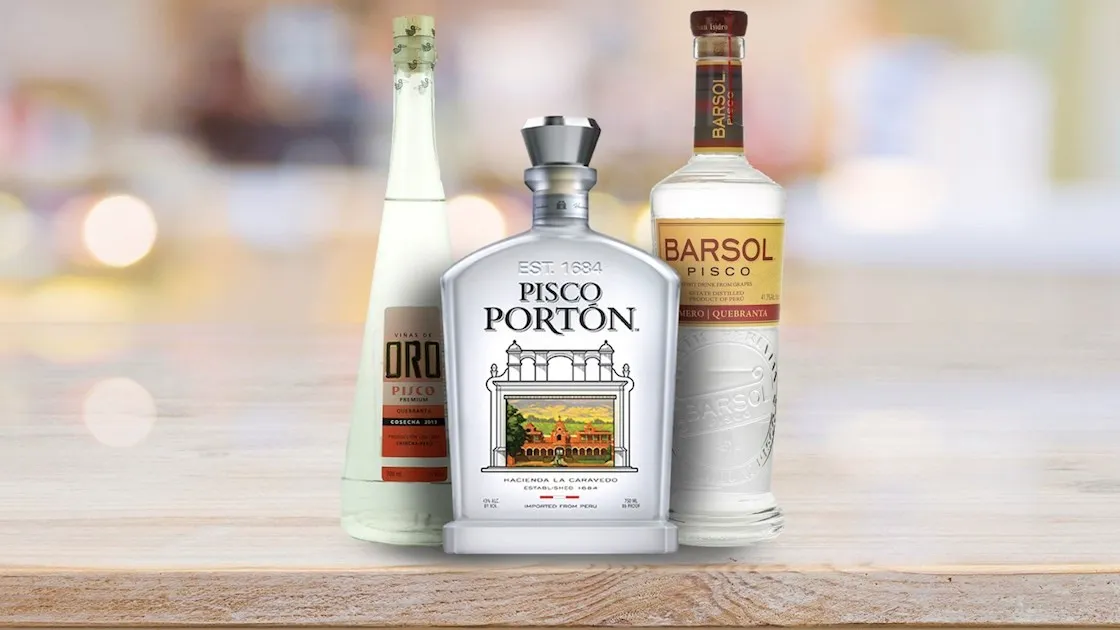
Peru recently faced a legal setback in India regarding its famous grape-based liquor. Justices at the Delhi High Court dismissed an appeal from the Latin American nation, deciding that it cannot hold standalone rights to the brand name. Instead, both Peru and Chile will continue using specific national prefixes to market their respective beverages, ending hopes for a singular Pisco GI tag monopoly.
Officials from Peru argued strongly against sharing this intellectual property. They emphasised that eighty-two other nations recognize their exclusive claim without requiring a geographic modifier. By adding a regional label, they argued, India diminishes centuries of cultural heritage deeply linked to the original Pisco Valley. However, a division bench comprising Justices Om Prakash Shukla and C Hari Shankar rejected these claims. They noted that simply handing full ownership to one country could mislead buyers, especially since Chilean distillers have also crafted this spirit for roughly a century.
Resolving decades of trademark disputes
Legal battles over this popular brandy have dragged on for years within Indian tribunals. Back in 2018, an appellate board originally sided with Peru by overturning a previous decision that allowed dual branding. Chilean producer associations quickly challenged that ruling. Fast forward to last July, a single-judge bench mandated the use of distinct identifiers—specifically ‘Chilean Pisco’ and ‘Peruvian Pisco’. Representatives from the Peruvian embassy firmly stated they had zero interest in holding a modified trademark. Reacting to this stance, the judges casually mentioned that the nation is free to legally surrender its current registration if it wishes.
Examining historical origins and claims
Both countries presented deep historical roots to support their respective cases. Peruvian documents point to seventeenth-century distillation practices centered heavily around Ica. On the flip side, Chilean groups demonstrated that the broader production zone spans across parts of the Atacama Region and Coquimbo. Ultimately, the high court determined there was no credible proof of dishonest branding by Chile. The final verdict firmly establishes that while the two spirits might differ slightly in character, neither nation gets to monopolize the name in the Indian market.
With inputs from Public Domain