

.webp)


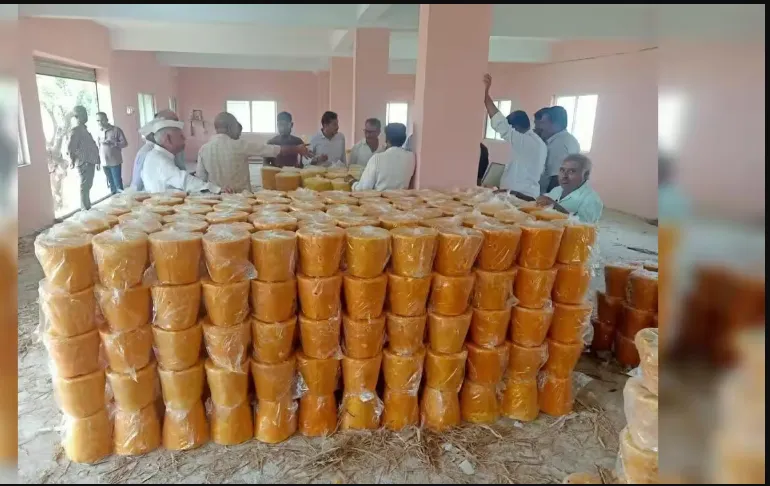
Bhubaneswar, August 29: With sugar prices continuing to remain high, consumers in Odisha had increasingly been turning to jaggery as a cheaper alternative. However, the price of jaggery has now surged by ₹20 per kg, adding to the concerns of consumers ahead of the festive season.
Jaggery, which was earlier selling at around ₹60 per kg, is now priced at ₹80 per kg in the market. In some places, the retail price has reportedly climbed further to ₹90 per kg. Consumers traditionally purchase jaggery in larger quantities during religious observances and festivals, but the recent price hike has made even this alternative more expensive.
The price of mishri (rock sugar) has also increased. It was earlier available at ₹65 per kg but has now risen by ₹15 to ₹80 per kg. Odisha has little to no local production of mishri, with supplies largely coming from Rajasthan. At present, a 20-kg pack of mishri costs around ₹1,600.
According to traders, the wholesale price of jaggery is currently around ₹71 per kg, while it is being sold to consumers at nearly ₹80 per kg in the retail market.
All India trade body office-bearer Sudhakar Panda said traders attribute the rise in jaggery prices to several factors, including the increasing use of sugarcane for ethanol production. Higher petroleum prices have also pushed up transportation and packaging costs, which has contributed to the rise in the price of jaggery.
Meanwhile, sugar prices continue to remain in the range of ₹70-75 per kg. With sugar already becoming increasingly expensive, consumers are finding it difficult to absorb further increases in the prices of alternative sweeteners such as jaggery and mishri.
Amid rising sugar prices and concerns over possible artificial shortages, the Centre has directed all sugar traders across the country to register on the Food and Public Distribution Department's portal and update their sugar stock details every Friday.
The move is aimed at improving stock monitoring and preventing traders from hoarding large quantities of sugar and creating artificial shortages in the market.
Panda welcomed the government's decision, describing it as a step in the right direction to curb hoarding and ensure better availability of sugar in the market.
.webp)