

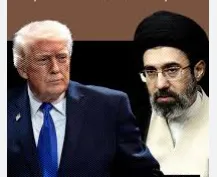
Tehran, May 21: Iran’s Supreme Leader Ayatollah Mojtaba Khamenei has directed that the country’s stockpile of enriched uranium “should not leave Iran,” defying a key demand from U.S. President Donald Trump, Reuters reported, citing two Iranian sources.
President Trump had earlier assured Israel that Iran’s inventory of highly enriched uranium—the core material needed for nuclear weapons—would be fully removed from the country, according to Israeli officials speaking to Reuters. Israeli Prime Minister Benjamin Netanyahu has similarly maintained a firm position, insisting that hostilities will not end until Iran relinquishes its uranium stockpiles, halts financial and material support to regional proxy militias, and dismantles its ballistic missile infrastructure.
However, Tehran has pushed back against these demands. One of the anonymous Iranian sources described the internal consensus at the highest levels of government: “The Supreme Leader’s directive, and the establishment’s consensus, is that the stockpile of enriched uranium should not leave the country.” Officials fear that transferring the material abroad would compromise national security and make Iran more vulnerable to potential U.S. and Israeli military action.
Under Iran’s constitutional framework, the Supreme Leader retains ultimate authority over all critical state policies, Reuters noted.
This diplomatic stalemate comes amid a tenuous cessation of hostilities since April 8, following a series of U.S.-Israeli strikes on Iran on February 28. In retaliation, Tehran launched counterstrikes against Gulf nations hosting American forces, while clashes escalated between Israeli forces and Iran-backed Hezbollah in Lebanon.
Although active fighting has paused, negotiators have yet to achieve a meaningful breakthrough. Talks are complicated by a U.S. naval blockade restricting Iranian shipping, countered by Tehran’s strategic control over the Strait of Hormuz, a crucial global energy route. Pakistani mediators are facilitating the current negotiations.
According to the Iranian sources, skepticism is widespread among Tehran’s leadership, with many viewing the current lull as a tactical pause designed by Washington to mask preparations for renewed military action. Echoing these concerns, Iran’s chief negotiator Mohammad Baqer Qalibaf said on Wednesday that “obvious and hidden moves by the enemy” indicate that the U.S. military is preparing for further offensives.
President Trump also warned on Wednesday that the United States is ready to launch additional strikes if Iran refuses to sign a comprehensive peace treaty, though he suggested a short window of a few days for Tehran to provide “the right answers.”
While minor disagreements have begun to narrow, big strategic and ideological differences persist—particularly regarding the fate of Iran’s enriched uranium stockpiles and Tehran’s insistence on international recognition of its sovereign right to nuclear enrichment. Iranian officials maintain that their goal is a legally binding, permanent cessation of hostilities, backed by credible guarantees that neither the United States nor Israel will initiate future attacks. Only under these conditions are they willing to engage in detailed discussions on the technical aspects of their nuclear program.