

.webp)


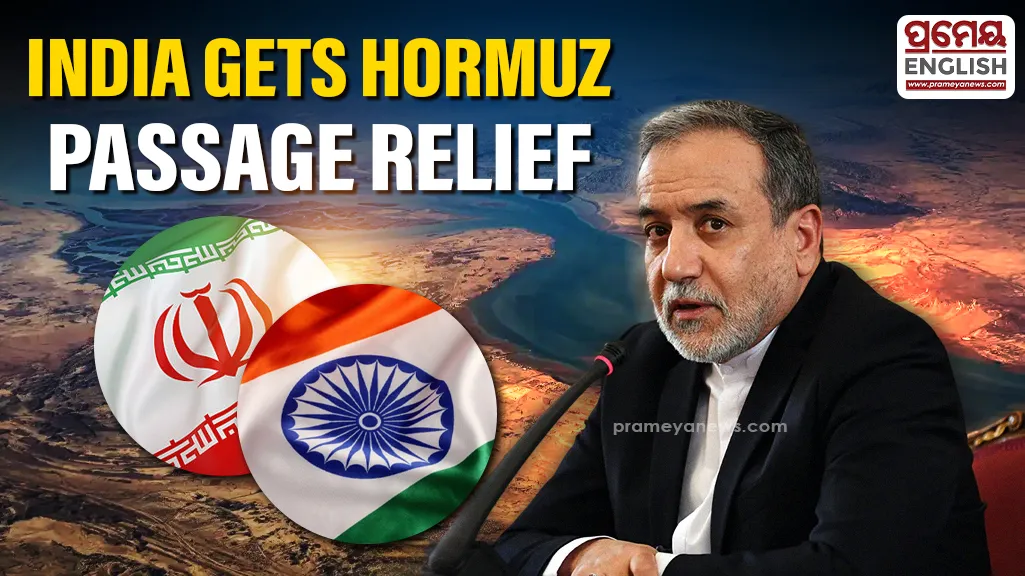
Iran permits Indian vessels through strategic Strait of Hormuz
Iranian Foreign Minister Abbas Araghchi confirmed on Thursday that "friendly nations," specifically India, now have permission to navigate vessels through the critical Strait of Hormuz. Speaking from Mumbai, Araghchi clarified that this maritime access extends to a select group of partners, including China, Russia, Iraq, and Pakistan. This decision follows a period of intense restriction that had effectively throttled one of the world's most vital energy corridors.
New Protocol for Maritime Transit
Tehran’s mission in New York previously indicated that "non-hostile" ships could resume transit provided they remain unaffiliated with any aggression against Iran. However, this freedom of movement comes with a caveat: every vessel must maintain strict coordination with Iranian defense officials and adhere to newly declared safety regulations. The Iranian Defence Council emphasised that passage is no longer automatic but strictly dependent on prior administrative clearance from Tehran.
Global Pressure and Economic Impact
UN Secretary-General António Guterres recently described the closure as a chokehold on global supplies of oil, gas, and fertilizer. This timing is particularly sensitive for India’s agricultural sector, which relies heavily on imported fertilizers during the current planting season. Historically, the Strait of Hormuz carries roughly one-sixth of the world's oil consumption, making it a heartbeat for India's energy security and a focal point for the Indian Navy's Mission Based Deployments in the Gulf.
Navigating Regional Conflict
Guterres has urged the United States and Israel to de-escalate hostilities in West Asia to prevent further civilian suffering. While Iran has opened this "friendly" corridor, the UN continues to call for a total end to the war to stabilize the global economy. For India, this diplomatic breakthrough ensures that essential commodities continue to flow despite the volatile geopolitical climate surrounding the Persian Gulf.
With Agency Inputs
.webp)