


International Intelligence Triggers Major Crackdown
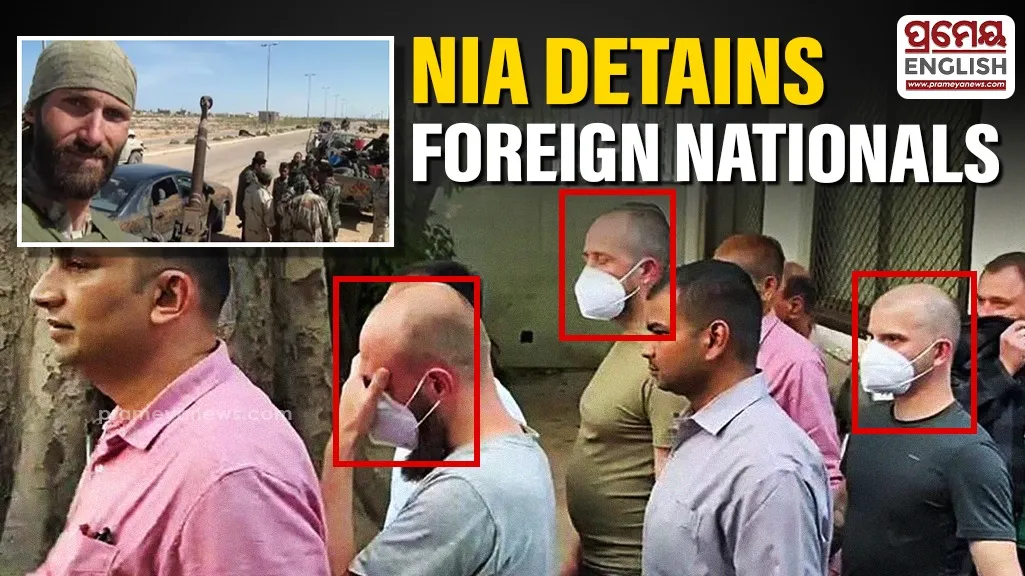
Recent operations by the National Investigation Agency (NIA) have led to the apprehension of seven foreign individuals suspected of involvement in insurgent activities. This group, consisting of one American and six Ukrainians, was reportedly flagged by Russian intelligence services. The tip-off highlighted their suspicious movements and alleged involvement in providing tactical support to ethnic militias across the border.
Tactical Training and Drone Technology
Investigations suggest that these individuals were not mere tourists. Since early 2024, the group allegedly made multiple trips into Myanmar to provide specialized military training. Their expertise reportedly focused on drone warfare, including the assembly and operation of unmanned aerial vehicles and sophisticated signal-jamming equipment. These technologies were intended for use by ethnic armed groups currently opposing the Myanmar military junta.
Breaking Border Protocols in Northeast India
Security agencies are currently tracing the logistics of the group's travel within India. Records indicate the suspects arrived on tourist visas but bypassed mandatory legal requirements for sensitive zones. They traveled through Guwahati and moved into Mizoram without obtaining the necessary Restricted Area Permits (RAP) or Protected Area Permits (PAP). From Mizoram, they are believed to have crossed the porous international border into Myanmar illegally.
Court Proceedings and Diplomatic Responses
Following their capture at airports in Delhi, Lucknow, and Kolkata, the suspects have been remanded to NIA custody. While the American citizen, Mathew Aaron VanDyke, has been identified as a former military contractor, the Ukrainian embassy has called for a fair and transparent judicial process. Ukrainian officials expressed readiness to cooperate with Indian authorities, emphasizing that their government does not sanction such private military activities. Meanwhile, US embassy officials have acknowledged the situation following high-level security meetings between Indian and American leadership.
Concerns Over Missing Associates
Authorities are investigating the possibility of a larger network. Reports indicate the six Ukrainians were part of a larger group of fourteen people who originally traveled to the region. The NIA is now working to determine the whereabouts of the remaining eight individuals, fearing they may still be operating within Myanmar or hiding in border areas.
Historical Context of Border Infiltration
This case validates earlier warnings from local leadership in Mizoram. In early 2025, state officials noted a significant influx of foreign nationals who entered as tourists but disappeared shortly after arrival. The current NIA probe confirms that these missing individuals were likely involved in providing arms training and technical support to insurgents, posing a significant risk to regional stability and Indian national security.