
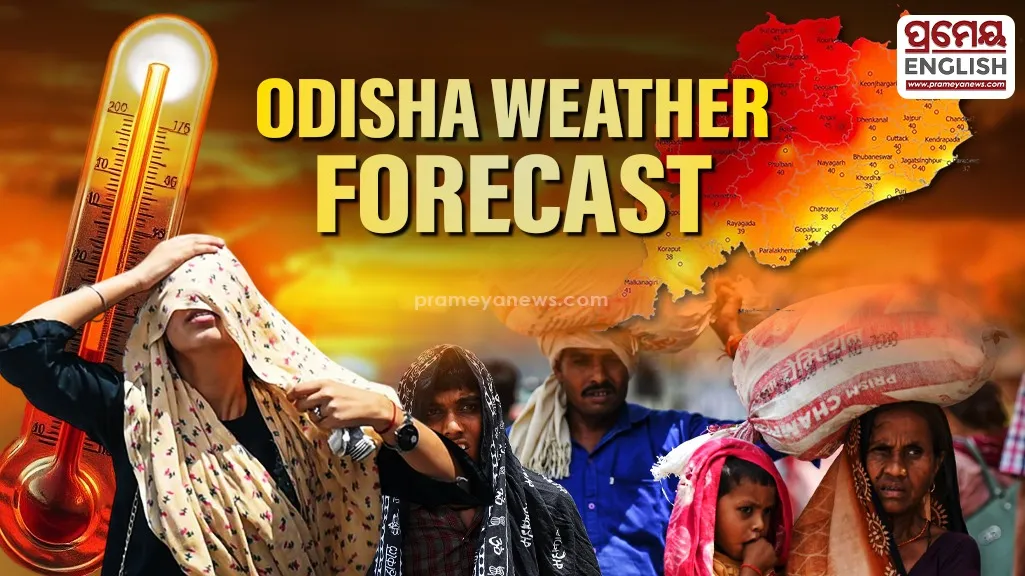
Latest IMD reports predict scorching heat followed by sudden thunderstorms
Jharsuguda recently recorded a blistering 39.6°C, marking it as the hottest spot in the state during the last 24 hours. While the plains of Odisha are currently experiencing dry conditions, the Meteorological Centre in Bhubaneswar has released a detailed forecast suggesting a mix of intense heat and unexpected rainfall in the coming week.
Data from the past day highlights a significant range in local climates. While Jharsuguda sweltered, Rourkela saw the lowest minimum temperature at a crisp 13.2°C. For those in the capital, Bhubaneswar reached 36.8°C, while neighboring Cuttack stayed slightly cooler at 34.8°C. Most regions are seeing temperatures a few degrees above the seasonal normal, signaling an early push toward summer.
Dry weather will likely persist for the next three days across all districts. However, the atmosphere is set to change by Day 4 and Day 5. During this window, isolated pockets of the state should expect light to moderate rainfall. More importantly, the IMD has issued a yellow warning for these two days, citing potential thunderstorms, lightning, and gusty winds. By Day 6, the state is expected to return to a dry spell.
Commuters should exercise caution during early morning hours. Dense fog has already impacted Chandbali, reducing visibility significantly. Shallow to moderate fog is predicted to continue over the next 48 hours in districts like Balasore, Bhadrak, Jagatsinghpur, Kendrapara, Cuttack, and Khordha. These conditions usually dissipate as the sun rises, but low visibility remains a concern for highway travel.
Stability in maximum temperatures is expected for the immediate five-day period. Once this phase passes, experts anticipate a further climb in the mercury. Forecasts indicate a rise of 2°C to 3°C across various districts, pushing interior Odisha closer to the 40-degree mark. Staying hydrated and avoiding direct sun exposure during peak afternoon hours is becoming increasingly essential for residents.