
.webp)

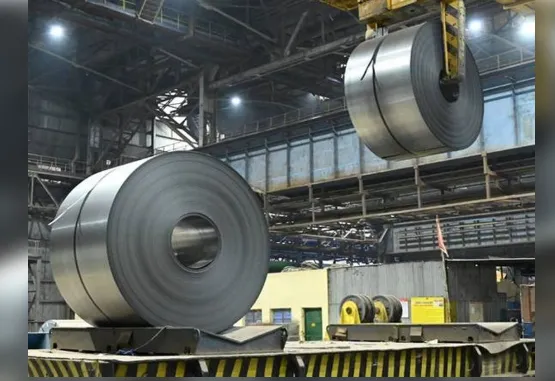
New Delhi, April 8: The Ministry of Steel on Wednesday said that India's crude steel production increased by 10.7% on year to around 168.4 million tonnes during the Financial Year 2025-26.
The Ministry highlighted exports of steel and said finished steel exports surged by 35.9%, reaching over 6 million tonnes during April-March (6.6 MnT), while imports declined sharply by 31.7%. "This shift enabled India to regain its position as a net exporter of steel, strengthening its footprint in global markets such as the Middle East, Europe, and Southeast Asia. The growth in exports was also supported by diversification of markets and improved competitiveness of Indian steel products," the Ministry said in its press release.
Strong Growth in Production and Demand
India’s crude steel output continued its upward trajectory in 2025–26, growing by over 10.7% year-on-year to around 168.4 million tonnes during April–March, reflecting sustained industrial momentum.
Domestic demand remained the key growth driver with finished steel consumption (164 MnT), expanding by about 7–8%, driven supported by increased activity in infrastructure, construction, railways, and manufacturing sectors. The government’s continued push on large-scale infrastructure projects and urbanisation played a pivotal role in boosting steel consumption during the period.
Export Surge and Improved Trade Balance
A major highlight of FY 2025–26 was India’s strong export performance. Finished steel exports surged by 35.9%, reaching over 6 million tonnes during April–March (6.6 MnT), while imports declined sharply by 31.7%.
This shift enabled India to regain its position as a net exporter of steel, strengthening its footprint in global markets such as the Middle East, Europe, and Southeast Asia.
The growth in exports was also supported by diversification of markets and improved competitiveness of Indian steel products.
Capacity Expansion and Investment Momentum
The industry witnessed continued investments aimed at expanding production capacity. India’s total steel capacity, at about 220 million tonnes in FY 2025 – 26 and is projected to reach 300 million tonnes by 2030, supported by both public and private sector investments.
Major players such as SAIL, Tata Steel and JSW Steel continued to invest in capacity expansion, technology upgrades, and value-added steel production, reflecting confidence in long-term demand growth.
Stable Prices but Margin Pressures
Steel prices in India followed a downward trend over the past three years before recovering in early 2026.
However, profitability remained under pressure due to fluctuating raw material costs, especially coking coal, and volatile global prices. Increased logistics and freight costs also affected margins towards the end of the year due to geo-political crisis.
Emerging Challenges: Energy Crisis and Supply Disruptions
Disruptions in gas supplies from the Middle East led to shortages of industrial fuels such as LPG, threatening production continuity for several steel manufacturers.
The government intervened by increasing LPG allocations to key sectors, including steel, to cushion the impact and maintain output levels.
Additionally, rising energy costs and supply chain disruptions highlighted the sector’s vulnerability to global shocks.
Logistics and Domestic Momentum
Strong domestic demand also translated into higher logistics activity. Indian Railways (reported increased freight movement of iron ore and finished steel) and growth in the eight core industries in India (include Refinery Products, Electricity, Steel, Coal, Crude Oil, Natural Gas, Cement, and Fertilizers) indicated sustained industrial activity and consumption across regions.
This trend underscores the steel sector’s critical role in supporting India’s broader economic growth.
Outlook
Looking ahead, the Indian steel industry is expected to maintain its growth momentum, with production projected to rise further and demand remaining robust. However, the sector will need to navigate challenges related to energy security, input costs, and global market volatility.
With continued policy support, infrastructure expansion, and investments in green steel technologies, the industry is well-positioned to remain a key pillar of India’s industrial and economic development.
.webp)