Financial Crises Grip Domestic Markets
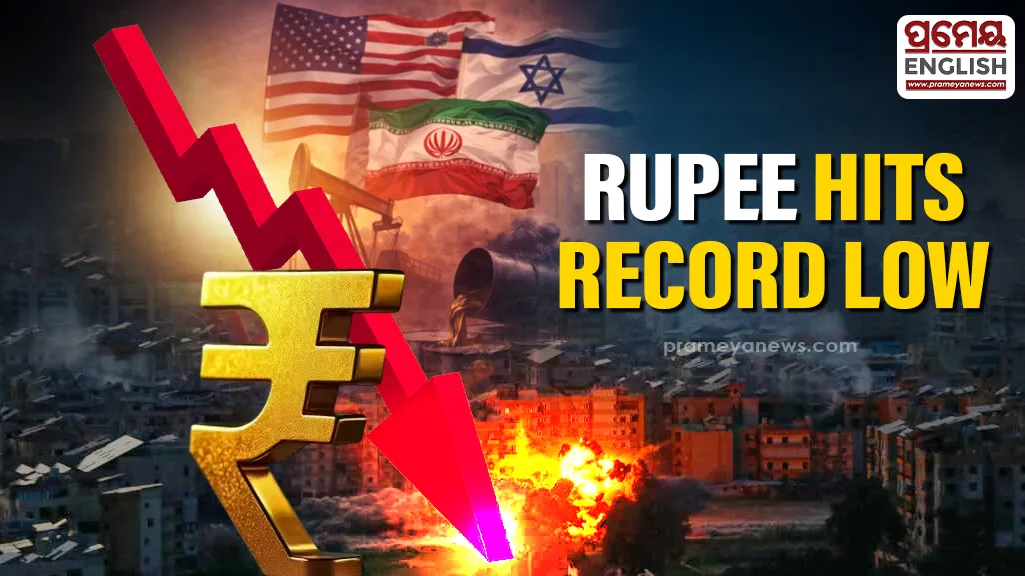
Indian currency dipped to a fresh historic bottom of 96.90 against the US dollar during early trading hours on Wednesday. This downward trajectory synchronized with sharp declines across domestic stock indices, where the BSE Sensex plummeted by 517 points to evaluate at 74,667.51, while the NSE Nifty dragged downward below the 23,500 threshold. Investors remained highly cautious after the offshore Gift Nifty indicated a weak opening sequence for local equities earlier in the morning.
Global Pressures Impacting Indian Growth
Persistent geopolitical friction involving Washington and Tehran keeps energy import costs highly inflated worldwide. This ongoing global tension forces Foreign Institutional Investors to offload domestic shares rapidly, resulting in over 24 billion dollars in withdrawals this year alone. The current domestic currency depreciation reflects a broader capital flight toward secure US Treasury assets.
Central Interventions Expected
Market experts note that the local unit remains highly vulnerable to disruptions along critical trade routes like the Strait of Hormuz. The Reserve Bank of India may deploy aggressive currency intervention tactics or implement strict import curbs on precious metals to stabilize the economic situation. Meanwhile, global oil benchmarks hover near 110 dollars per barrel, sustaining severe inflationary pressures on developing economies.


.webp)


.webp)