

Deepening seasonal dry spells threaten vital agricultural water supplies
India currently faces a serious weather crisis with seasonal precipitation plummeting 24 percent below expected norms. Recent figures released by national meteorologists show a rapidly widening gap between early June and mid-July. Interestingly, while many western and northern states suffer extreme dry spells, Odisha has managed to retain relatively normal rainfall levels due to localised coastal weather circulations.
Farming communities face mounting agricultural delays
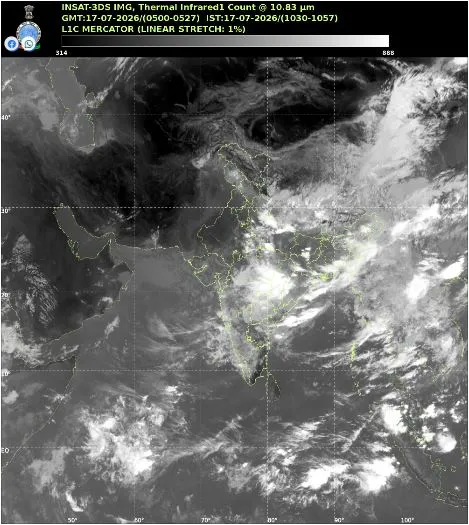
Agricultural operations across vast stretches of northern and peninsular regions remain completely stalled. Weather patterns shifted drastically earlier this month, plunging vital farming belts into an unusual dry phase. Forecasters explain that the primary rain-bearing trough moved dangerously close to the Himalayan foothills. This geographical shift effectively cut off moisture to central plains. Furthermore, a distinct lack of atmospheric pressure systems forming over the Bay of Bengal prevented normal cloud movement inland. Analysts warn this troubling shortfall might reach 30 percent before any significant weather changes materialize. Groundwater levels continue dropping steadily across these affected districts.
Late month showers bring relief and danger
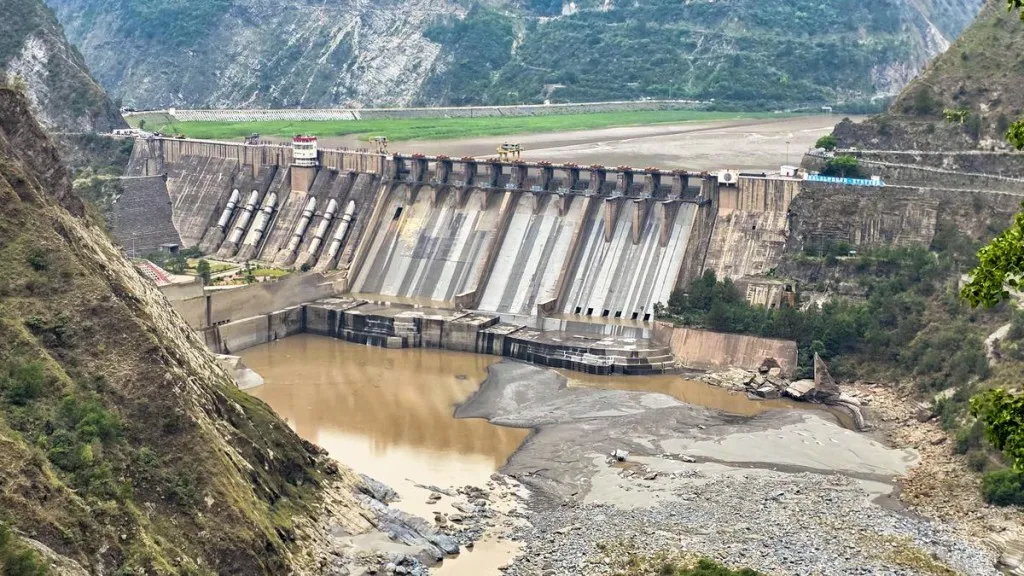
Meteorological models finally offer some encouraging news for parched lands. Emerging pressure systems suggest a strong return of active weather fronts by late July. This expected rainfall revival remains urgently needed to rescue delayed kharif planting operations. It will also refill crucial water reservoirs before autumn. However, these returning storms carry significant natural risks for vulnerable mountainous areas. Forecasters strongly urge high caution for Himalayan regions like Uttarakhand. Intense and sudden downpours in these elevated terrains frequently trigger destructive landslides and dangerous localized flooding. Authorities advise residents to monitor local warnings closely.