
.webp)


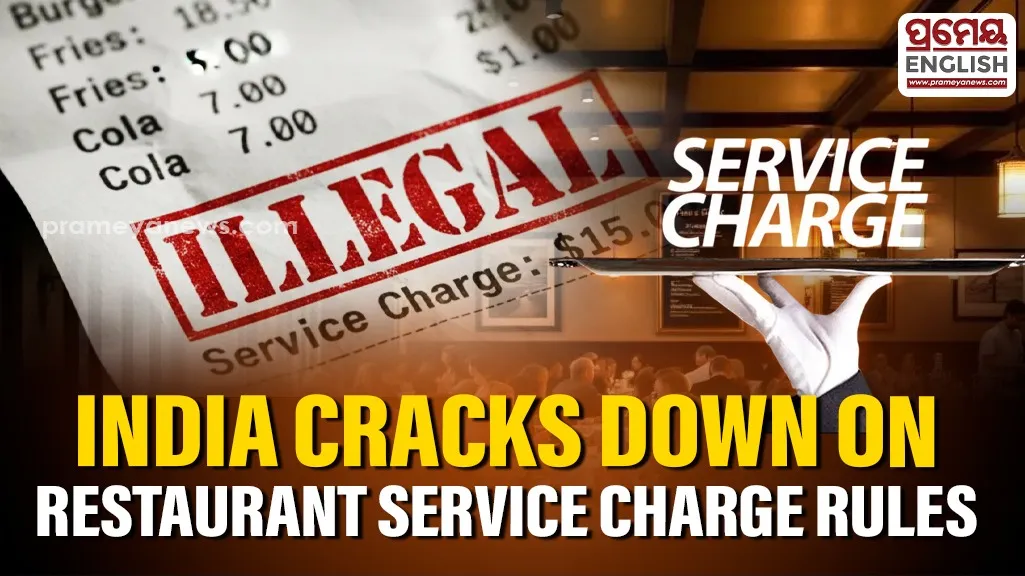
Government will penalise dining establishments over illegal service fee billing
Diners across India will no longer have to pay forced billing fees as the central government intensifies its legal clampdown on eating joints that automatically apply extra fees to food bills. Consumer Affairs Minister Pralhad Joshi announced strict regulatory penalties and severe reputational damage for businesses that violate transparency rules. This aggressive push follows extensive investigations by the Central Consumer Protection Authority, which launched independent actions against 41 dining venues nationwide after receiving numerous public complaints via the national helpline.
Official audits revealed that multiple establishments routinely bundled tips directly into the final receipt without obtaining consent or giving patrons the chance to decline. Legally, diners are only required to settle the menu price of their meals along with government-approved taxes. This regulatory shift signals a complete transition from soft advisories to active legal enforcement, giving teeth to protections that have remained under debate for years.
Tensions over hospitality billing practices have grown steadily since July 2022, when federal authorities first categorised mandatory gratuities as an unfair trade practice. While hospitality trade groups previously contested these consumer guidelines in court by claiming the fees supported staff welfare, the legal landscape shifted decisively in March 2025. The Delhi High Court officially validated the center guidelines, affirming that businesses cannot force default fees onto patrons. This judicial backing established a strong precedent, empowering regulators to protect consumer wallets from arbitrary corporate billing nationwide.
Regulatory bodies clarify that these actions do not ban voluntary tipping. Diners who wish to reward excellent hospitality remain free to leave extra cash or authorize a voluntary gratuity. However, establishments cannot present these fees as compulsory, deny service if a patron objects, or calculate goods and services tax on top of unauthorized line items. Patrons who spot these unauthorized additions can demand immediate removal, and if management resists, individuals can file formal complaints through the National Consumer Helpline to trigger immediate federal audits.
.webp)